Study Links Sleep-Related Epilepsy to Alterated Glymphatic System Activity
Researchers found that patients with sleep-related epilepsy show enhanced glymphatic system metrics, which correlate with measures of anxiety and cognitive function.
Key points
- Patients with sleep-related epilepsy demonstrated higher DTI-ALPS index levels and reduced white matter perivascular space volume fraction compared to controls.
- Imaging metrics correlated directly with clinical measures of anxiety and inversely with cognitive performance test scores.
- Researchers suggest the observed changes may indicate compensatory glymphatic enhancement, though further multicenter validation is required.
Researchers at Xiangya Hospital of Central South University have identified structural and functional changes in the brain's waste clearance network, known as the glymphatic system, among individuals diagnosed with sleep-related epilepsy (SRE). In a prospective trial comparing 38 patients with SRE to 40 healthy control participants, investigators observed that patients with SRE exhibited a significantly elevated diffusion tensor imaging along perivascular spaces (DTI-ALPS) index alongside a reduced white matter perivascular space (PVS) volume fraction.
The neuroimaging metrics gathered by the research team correlated with patient clinical assessments. Higher DTI-ALPS index values were linked to elevated PADSS scores, while perivascular space volume fractions in both the basal ganglia and white matter showed positive correlations with anxiety levels measured by the Self-Rating Anxiety Scale (SAS). Additionally, white matter perivascular space volume negatively correlated with cognitive performance scores on the Montreal Cognitive Assessment (MoCA).
What to know: The authors suggest these findings may reflect a compensatory enhancement of glymphatic function in response to sleep disruptions and neurological stress. However, as an early-stage study limited by a small sample size, these imaging parameters represent preliminary candidate biomarkers that require validation in larger, longitudinal multicenter trials. Individuals experiencing sleep disorders or seizure symptoms should consult a qualified healthcare professional for personalized medical advice.
Source Nature Health Sciences — nature.com/articles/s41598-026-79932-x ↗
Read next
 ❤️Conditions & Care
Papua New Guinean Tree Compound Shows Potential in Motor Neuron Disease Study
Researchers at the University of Wollongong identified a natural compound from a rainforest tree that protected motor neurons against degeneration in laboratory tests.
 🔬Research
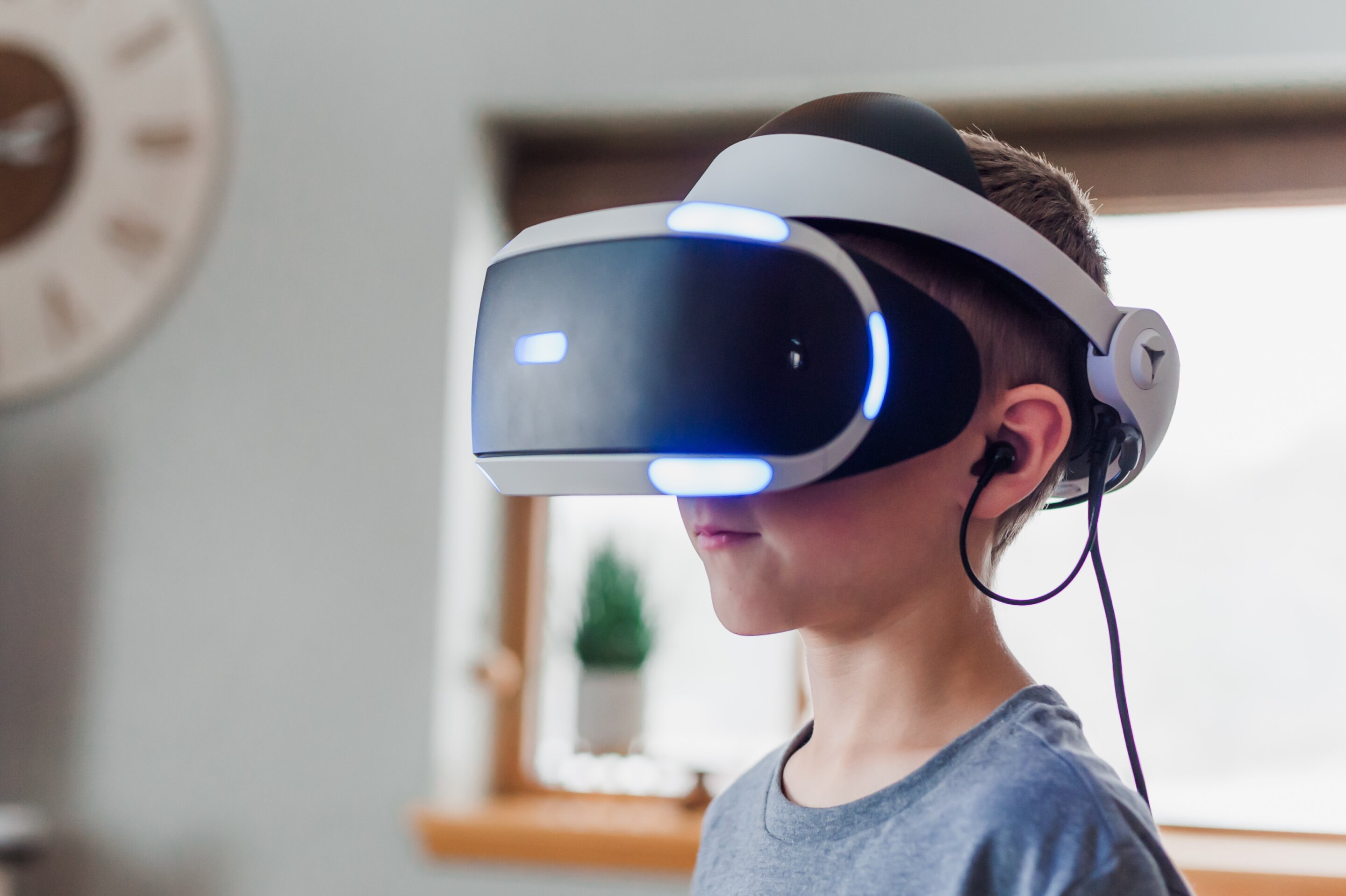
Virtual Reality Lowers Pain and Anxiety in Pediatric Emergency Care, Study Finds
A new systematic review and meta-analysis suggests that virtual reality technology can successfully decrease pain and anxiety for children undergoing procedures in hospit…
 🏥Public Health
New Parents with Intellectual Disabilities Face Significantly Higher Rates of Psychiatric Hospitalizations
Recent Australian research reveals that new parents with intellectual disabilities experience drastically elevated rates of emergency room visits and hospital admissions …
 🔬Research
Study Highlights Emotional, Social, and Spiritual Needs in Pediatric Palliative Care
A systematic review published in Palliative Medicine reveals that children receiving end-of-life care require psychological security, maintained social connections, and w…
 🔬Research
Type 2 Diabetes Linked to a 53% Higher Risk of Alzheimer's Disease, Study Finds
A comprehensive meta-analysis led by Curtin University researchers indicates that individuals with type 2 diabetes face a substantially elevated relative risk of developi…
 🔬Research
Brain Imaging Reveals Shared Memory Network in Mild Cognitive Impairment
A new study reveals that diverse areas of cortical thinning in individuals with mild cognitive impairment map to a single shared memory network. Researchers also found th…