Common Forever Chemicals Linked to Double the Risk of Aggressive Breast Cancer in NIH Study
A new study from the National Institutes of Health indicates that elevated blood concentrations of two prevalent PFAS compounds are associated with a significantly higher rate of estrogen receptor-negative breast cancer.
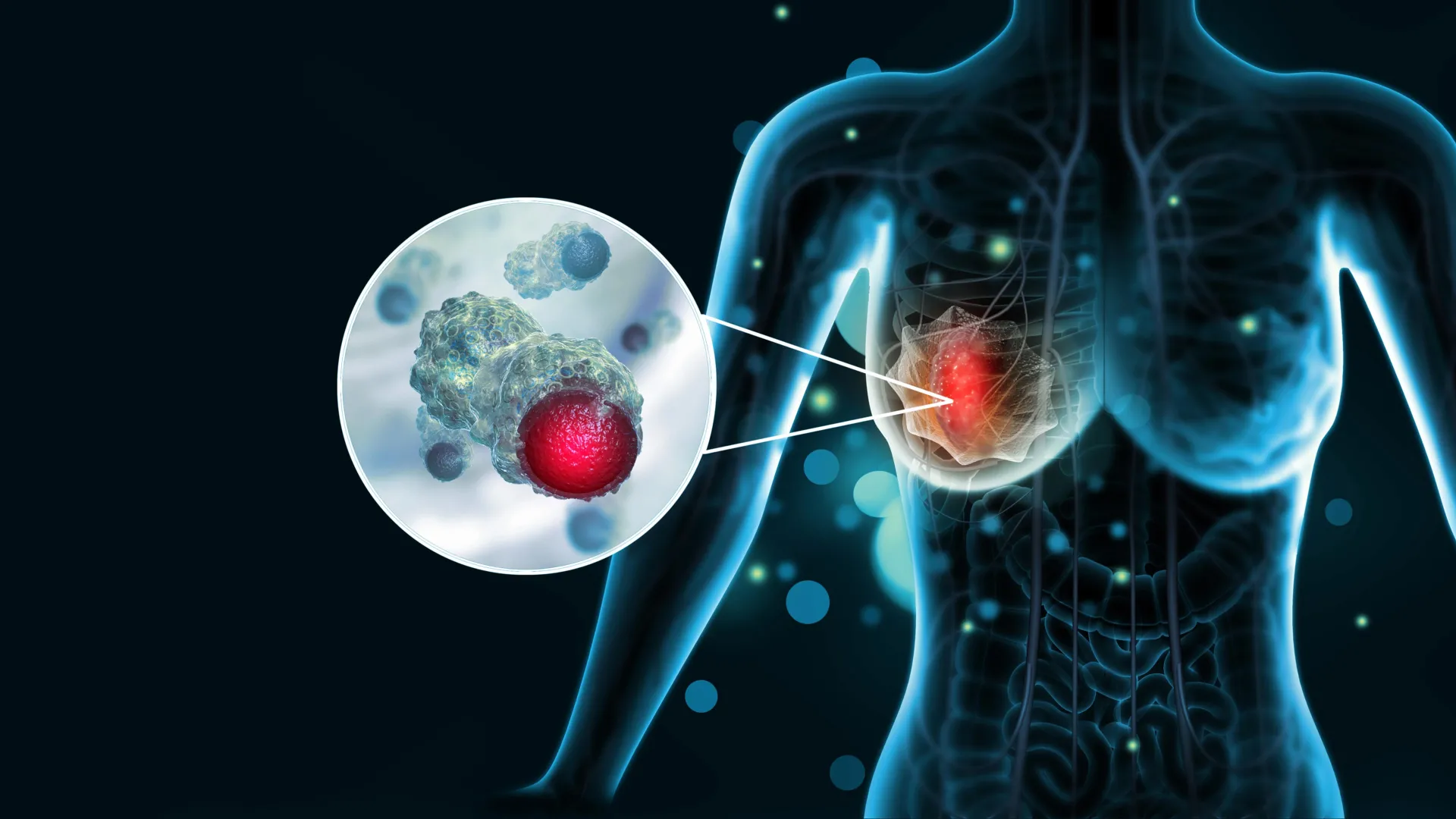 🔬Research
Photo: ScienceDaily Cancer
Key points
- PFOA and PFOS exposure linked to ER-negative breast cancer
- Highest PFOS exposure group showed a 93% higher rate
- Data drawn from the long-running Sister Study cohort
Researchers at the National Institutes of Health have found a connection between specific per- and polyfluoroalkyl substances, widely known as forever chemicals, and an elevated risk of developing a particularly aggressive form of breast cancer. The investigation focused on estrogen receptor-negative, or ER-negative, breast cancer and its association with perfluorooctanoic acid and perfluorooctanesulfonic acid.
By analyzing blood samples collected years before diagnosis from participants in the Sister Study, scientists compared prior chemical concentrations with later health outcomes. The findings reveal that women with the highest levels of PFOA faced a 67 percent higher rate of ER-negative breast cancer compared to those with the lowest levels. For PFOS, the association was even more pronounced, with the highest exposure group experiencing a 93 percent higher rate, effectively doubling the risk. Researchers observed no clear link between these chemicals and overall breast cancer risk.
Because ER-negative tumors lack the receptors stimulated by estrogen, they typically grow faster and present fewer treatment options than other forms of the disease. The study establishes an observational association rather than definitive proof of direct causation. Experts note that while these substances persist in both the environment and the human body for years, understanding these exposure patterns can help guide future preventative health measures.
What to know: Elevated blood levels of PFOA and PFOS were linked to a nearly doubled rate of aggressive ER-negative breast cancer in an NIH analysis. These findings point to an association rather than a direct cause, and individuals should consult a healthcare provider for any personal medical decisions.
Source ScienceDaily Cancer — sciencedaily.com/releases/2026/11/261112025527.htm ↗
Read next
 🏃Fitness
Exploring Longevity Fitness Competitions: What Testing Healthspan Markers Means for Workout Routines
A new live longevity fitness competition called the Super Age Games tests participants on eight markers linked to healthspan, offering a glimpse into how physical perform…
 🧠Mind & Mental Health
Irregular Sleep Schedules Linked to Greater Risk of Anxiety and Depression, Study Finds
A large-scale study published in Scientific Reports reveals that inconsistent sleep-wake patterns are associated with more severe symptoms of anxiety, depression, and lon…
 🏥Public Health
Concerns Rise Over Local Control and Questionable Spending of Opioid Settlement Funds
Addiction advocates and public health experts are raising alarms as local governments direct millions in opioid settlement money toward questionable purchases, highlighti…
 🏥Public Health
Nigeria's Malaria Vaccine Rollout Shows Early Promise Despite Logistical Hurdles
Health officials in Nigeria report encouraging early results from the country's malaria vaccination campaign, though distribution remains limited.