Ancient Medieval Manuscripts Reveal History of Sheeppox Virus
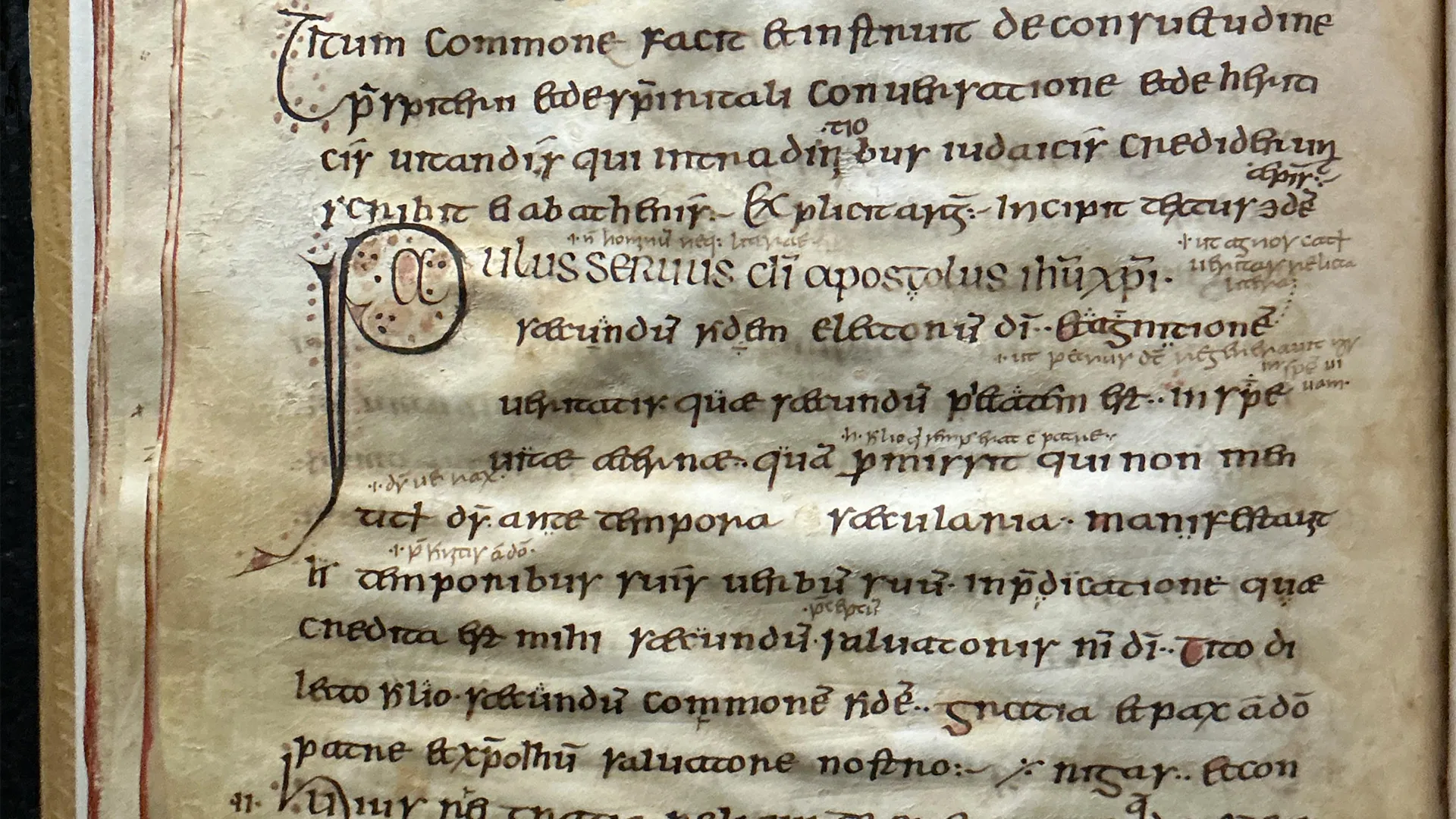
Researchers have identified ancient viral DNA within the parchment of centuries-old manuscripts, providing new insights into the 3,500-year history of the sheeppox virus.
 🔬Research
Photo: ScienceDaily Cancer
Key points
- Researchers found sheeppox virus DNA in medieval parchment, including the York Gospels.
- The study reconstructs 3,500 years of viral evolution by combining manuscript data with Bronze Age samples.
- Parchment serves as a durable, overlooked repository for ancient biological and pathological information.
An international research team led by University College Dublin has uncovered genetic evidence of the sheeppox virus (SPPV) preserved in the parchment of medieval documents. By analyzing materials from historical texts, including the 1,000-year-old York Gospels and the Corpus Glossary, scientists identified viral DNA linked to the highly contagious disease that historically devastated livestock populations.
The study, published in Science Advances, highlights that parchment—often crafted from the hides of sheep, goats, and cattle—serves as a biological archive. The presence of viral DNA on these pages suggests that the animals used for parchment production were infected at the time of their death. While the virus primarily targets sheep, researchers also detected viral material on calfskin and goatskin, raising questions about potential cross-species transmission or environmental contamination during the parchment-making process.
To reconstruct the virus's evolution, the team combined their findings from medieval manuscripts with genetic data recovered from Bronze Age sheep teeth. This multi-disciplinary approach confirms that sheeppox has impacted Eurasian herds for at least three and a half millennia. Experts note that these findings transform our understanding of how infectious diseases shaped past societies and suggest that global libraries may hold significant, untapped genetic records of historical outbreaks.
What to know: This study relies on genetic analysis of historical artifacts to trace the evolution of a pathogen. It does not provide medical advice or information regarding current human or animal health risks. Consult a veterinarian or agricultural specialist for concerns regarding modern livestock diseases.
Source ScienceDaily Cancer — sciencedaily.com/releases/2026/11/261106174545.htm ↗
Read next
 🧠Mind & Mental Health
Addressing Body Image and the Reality of Gluteal Anatomy
A personal reflection on the social and psychological impact of body shape, specifically regarding the gluteal region, and the limitations of consumer solutions for perce…
 ❤️Conditions & Care
Migraine and Smoking Linked to Increased Early Stroke Risk in Women
A large-scale study suggests that people who have given birth and experience migraines while also smoking face a significantly higher risk of stroke before age 60.
 🏃Fitness
Expert Advice on Hydration Gear Sparks Debate Among Recreational Runners
Olympic medalist Josh Kerr recently suggested that runners may not require hydration packs for distances under 12 miles, igniting a broader conversation about gear necess…
 🏃Fitness
A Structured Approach to Beginning a Strength and Cardio Routine
A new four-week training program offers beginners a guided path to incorporating strength training and cardiovascular exercise into their daily lives.
 🧠Mind & Mental Health
The Role of Daily Mobility Training in Managing Sedentary Tension
A two-week personal trial suggests that incorporating short, daily mobility exercises may help alleviate stiffness associated with sedentary desk work. Experts note that …
 🧠Mind & Mental Health
New Theoretical Framework Explores Memory Formation and Dementia
Researchers have proposed a new model suggesting the brain's limbic system functions similarly to generative AI, potentially offering a new way to understand and classify…