Scientists Develop Hybrid Malaria Parasite to Enhance Whole-Parasite Vaccine Efficacy
Researchers have bred a hybrid malaria parasite that combines high manufacturing yields with superior liver infectivity, paving the way for next-generation vaccines.
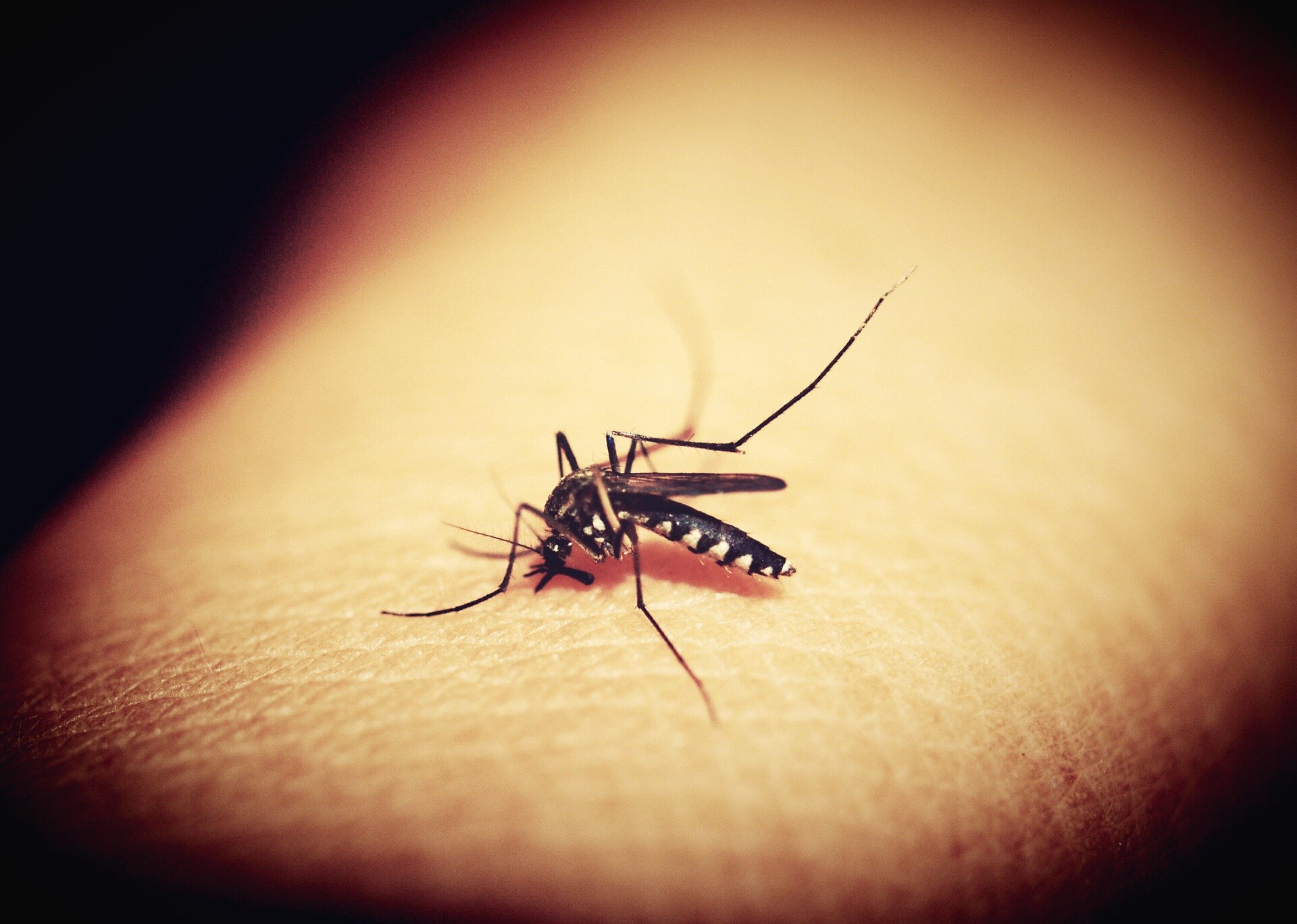 🔬Research
Photo: Medical Xpress
Key points
- Hybrid parasite AV27 combines manufacturing yield and high liver infectivity.
- Created through natural mating in mosquitoes without genetic engineering.
- Aims to improve next-generation whole-parasite malaria vaccines.
Scientists have successfully bred a hybrid malaria parasite, designated AV27, designed to improve the effectiveness of whole-parasite malaria vaccines. Published in JCI Insight, the study details how researchers combined the strong manufacturing capabilities of a long-standing laboratory strain with the enhanced liver-infectivity traits of a parasite recently gathered in East Africa.
Traditional whole-parasite vaccines rely on a single strain isolated in 1979, which is exceptional for laboratory production but poor at invading human liver cells compared to contemporary circulating strains. By encouraging natural sexual reproduction between strains inside mosquitoes and utilizing modern genomics, the team screened numerous clones without adding or engineering any artificial genes. The resulting hybrid inherits balanced traits from both parent strains, achieving significantly higher liver infection rates while maintaining high production yields in mosquitoes.
Whole-parasite candidates like AV27 are intended to be fully attenuated by deleting specific genes, allowing the parasite to mature inside liver cells without entering the bloodstream where clinical illness begins. While earlier trials of whole-parasite vaccines have demonstrated promising protection, researchers emphasize that this work remains in early developmental stages. Experts remind readers to consult qualified healthcare providers for individual medical advice and vaccination decisions.
What to know:
- Researchers bred AV27, a hybrid malaria parasite, through selective cross-breeding of two different strains inside mosquitoes.
- The hybrid matches the high manufacturing yield of older laboratory strains while infecting human liver cells significantly better.
- The findings support the development of next-generation whole-parasite vaccines, though clinical evaluations are ongoing.
Source Medical Xpress — medicalxpress.com/news/2026-11-scientists-pan-african-malaria-parasite.… ↗
Read next
 🏃Fitness
Expert Advice on Hydration Gear Sparks Debate Among Recreational Runners
Olympic medalist Josh Kerr recently suggested that runners may not require hydration packs for distances under 12 miles, igniting a broader conversation about gear necess…
 🏃Fitness
A Structured Approach to Beginning a Strength and Cardio Routine
A new four-week training program offers beginners a guided path to incorporating strength training and cardiovascular exercise into their daily lives.
 🧠Mind & Mental Health
The Role of Daily Mobility Training in Managing Sedentary Tension
A two-week personal trial suggests that incorporating short, daily mobility exercises may help alleviate stiffness associated with sedentary desk work. Experts note that …
 🧠Mind & Mental Health
New Theoretical Framework Explores Memory Formation and Dementia
Researchers have proposed a new model suggesting the brain's limbic system functions similarly to generative AI, potentially offering a new way to understand and classify…
 🏥Public Health
Recall Issued for Generic Propranolol Over Potential Metal Contamination
Breckenridge Pharmaceutical has initiated a voluntary recall of one lot of generic propranolol capsules due to the potential presence of metal fragments.
 🥗Nutrition
Understanding Food Science: Why Some Leftovers Freeze Better Than Others
Freezing leftovers is an effective way to minimize food waste, though the success of the process depends on the cellular structure and composition of the food being store…