Discontinuing Statins After Age 70 May Carry Long-Term Risks, Study Finds
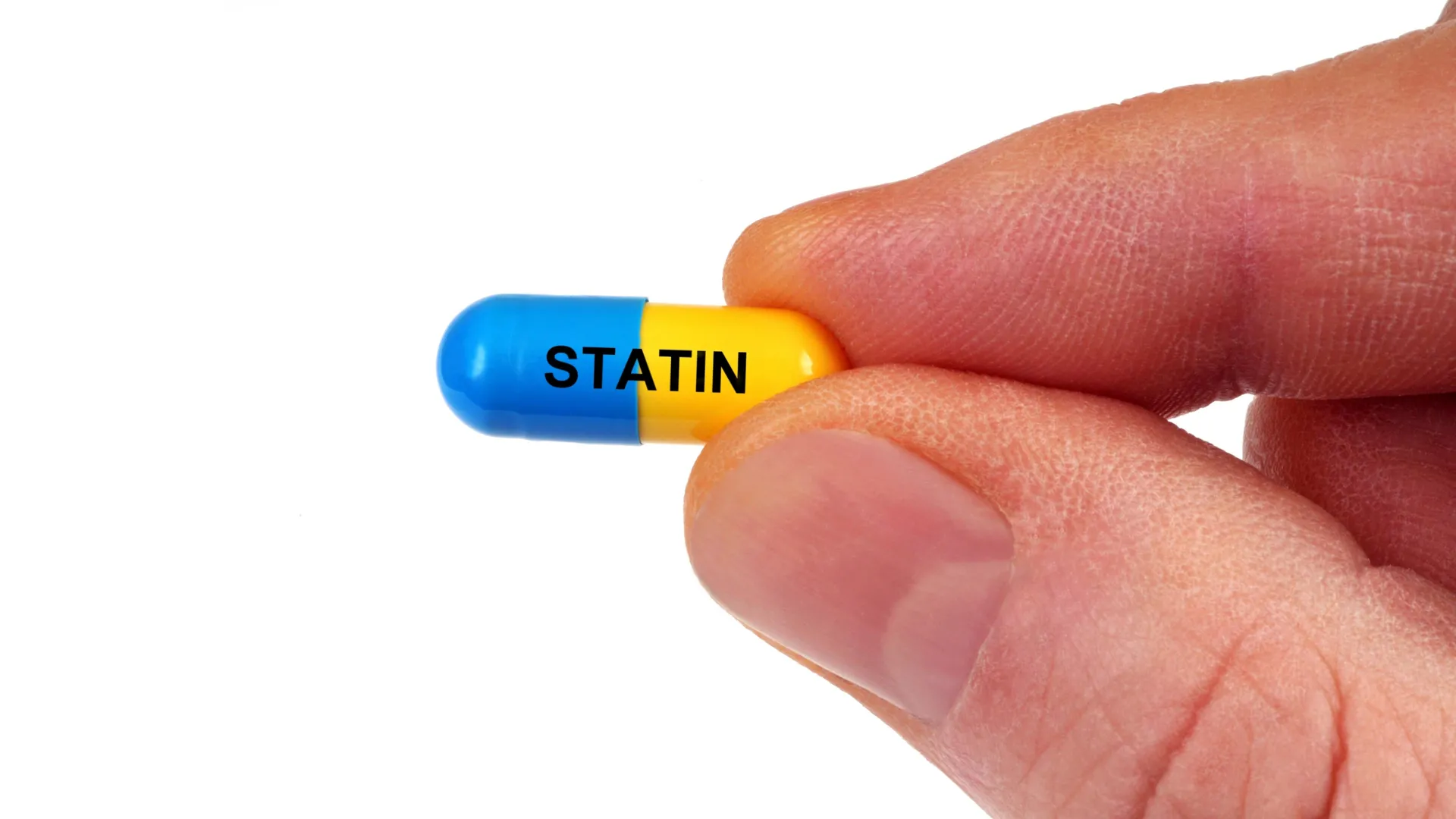
New research suggests that while stopping statins at age 70 or older may not immediately raise cardiovascular risk, a longer-term follow-up points to an increased rate of heart attacks, strokes, and death.
 🔬Research
Photo: ScienceDaily Cancer
Key points
- Study evaluated nearly 1,900 adults aged 70 and older with no prior heart attack or stroke.
- Short-term safety over two years showed no significant increase in immediate cardiovascular events.
- Longer follow-up up to four years linked stopping statins to a higher rate of serious health outcomes.
A preliminary study presented at the American Heart Association's Scientific Sessions 2026 in Chicago indicates that adults aged 70 and older who have never suffered a heart attack or stroke might safely pause statin use in the short term, though long-term risks remain. Statins are frequently prescribed to lower low-density lipoprotein-cholesterol, or "bad cholesterol," which builds up in arteries and contributes to cardiovascular events. Current guidelines recommend preventive treatments for elevated cholesterol, but questions persist regarding whether the benefits continue into later decades of life.
Led by Rita F. Redberg, a professor of cardiology at the University of California, San Francisco School of Medicine, the study evaluated nearly 1,900 adults aged 70 and older. All participants took statins for primary prevention and managed at least two chronic conditions, such as lung disease or cancer. Researchers randomized participants to either stop or continue their statin therapy, tracking health outcomes for roughly two years, with extended follow-up reaching up to four years.
During the initial two-year window, discontinuing statins did not trigger a statistically significant rise in heart attacks, strokes, or deaths compared to the group that kept taking the medications. Additionally, stopping treatment yielded no noticeable differences in muscle pain, quality of life, falls, or muscle wasting. However, the data did hint at a minor difference, showing roughly one extra cardiovascular event for every 40 individuals who stopped the medication over the two-year span.
A more concerning trend emerged during the extended follow-up of up to four years. Among participants who stopped statins, 12.7% experienced a heart attack, stroke, or death, compared to 9.2% of those who maintained their treatment. Researchers noted that this longer-term divergence underscores the complexity of halting cholesterol therapies later in life.
- What to know: Adults over 70 taking statins for primary prevention may face higher long-term risks if they discontinue the medication, despite reassuring short-term data.
- Always consult a healthcare professional before making any personal decisions regarding prescription medications or treatment plans.
Source ScienceDaily Cancer — sciencedaily.com/releases/2026/11/261112025534.htm ↗
Read next
 🧠Mind & Mental Health
Addressing Body Image and the Reality of Gluteal Anatomy
A personal reflection on the social and psychological impact of body shape, specifically regarding the gluteal region, and the limitations of consumer solutions for perce…
 ❤️Conditions & Care
Migraine and Smoking Linked to Increased Early Stroke Risk in Women
A large-scale study suggests that people who have given birth and experience migraines while also smoking face a significantly higher risk of stroke before age 60.
 🏃Fitness
Expert Advice on Hydration Gear Sparks Debate Among Recreational Runners
Olympic medalist Josh Kerr recently suggested that runners may not require hydration packs for distances under 12 miles, igniting a broader conversation about gear necess…
 🏃Fitness
A Structured Approach to Beginning a Strength and Cardio Routine
A new four-week training program offers beginners a guided path to incorporating strength training and cardiovascular exercise into their daily lives.
 🧠Mind & Mental Health
The Role of Daily Mobility Training in Managing Sedentary Tension
A two-week personal trial suggests that incorporating short, daily mobility exercises may help alleviate stiffness associated with sedentary desk work. Experts note that …
 🧠Mind & Mental Health
New Theoretical Framework Explores Memory Formation and Dementia
Researchers have proposed a new model suggesting the brain's limbic system functions similarly to generative AI, potentially offering a new way to understand and classify…