Brain Scan Study Reveals High Individual Variability in Autism
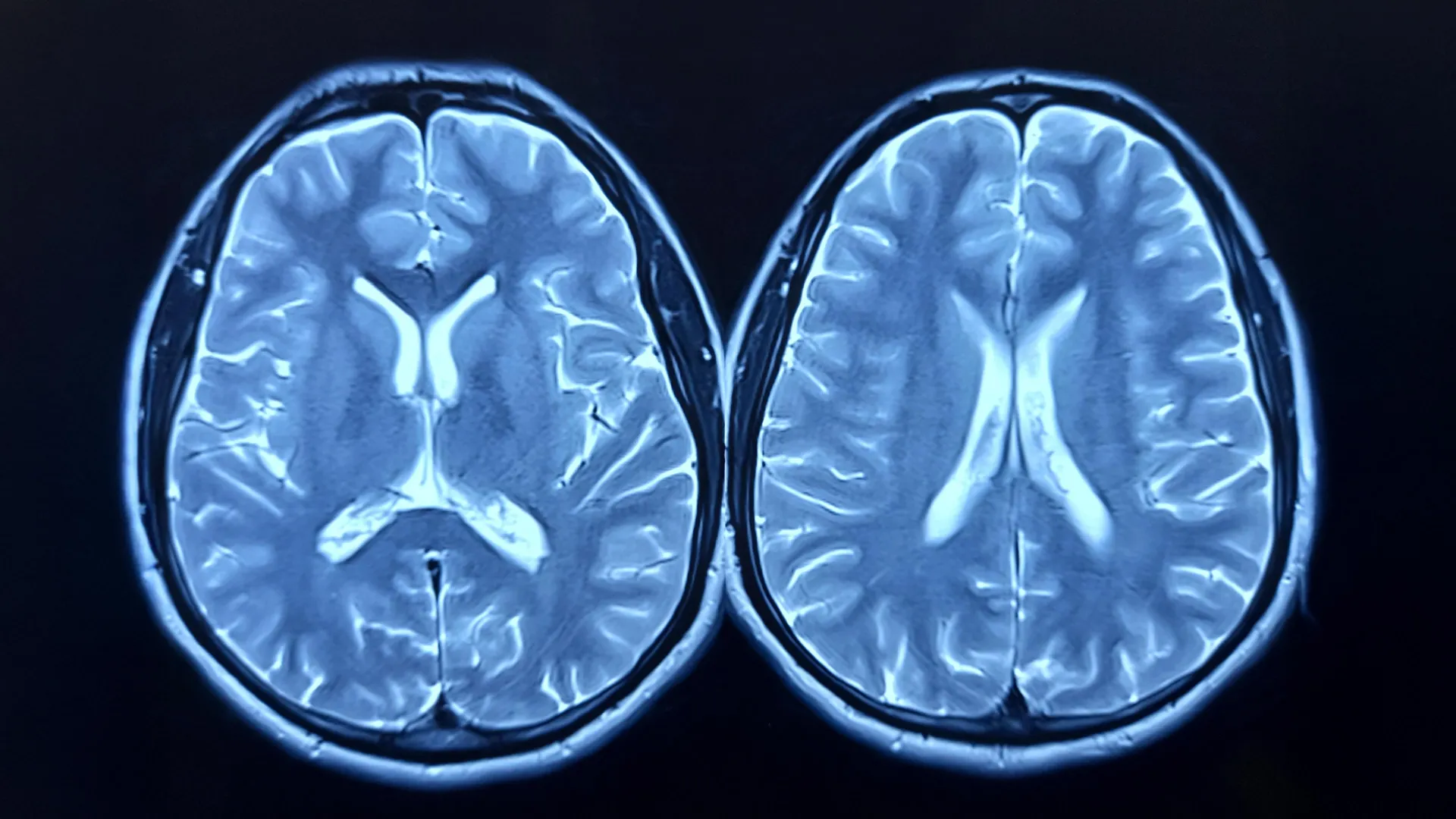
A recent study published in JNeurosci shows that while group average brain activity between autistic and nonautistic adults appears similar, individual responses among autistic participants vary significantly.
 🔬Research
Photo: ScienceDaily Mind & Brain
Key points
- Group average brain activity in autistic and nonautistic adults appeared remarkably similar.
- Individual autistic participants showed significantly greater variation in brain responses compared to nonautistic peers.
- The most pronounced differences occurred in brain networks responsible for processing social information.
Researchers at the University of Iowa, alongside collaborators, have found that relying on group averages in neuroimaging may mask important neurological differences in autism spectrum disorder (ASD). Led by Dorit Kliemann and James Traer, the team analyzed previously collected brain imaging data from Indiana University and Caltech while participants watched various movie genres, ranging from animation to thrillers. The dynamic stimulus allowed scientists to observe brain reactions to complex, real-world sensory and social information.
By training a computational model to link brain activity to specific visual, auditory, and social elements within the films, the investigators discovered that standard group-level comparisons showed minimal differences between adults with and without autism. However, a deeper look into individual variation revealed that autistic participants exhibited substantially greater diversity in their brain responses across nearly every examined system, most notably within regions dedicated to processing social cues.
The findings suggest that traditional approaches focusing solely on shared group patterns may overlook meaningful neurological diversity. Experts note that these insights are early-stage and observational, underscoring the need for further investigation into how these distinct patterns relate to behavioral traits.
What to know: While group-level brain scans often look alike, individual neural responses in autism can vary widely, particularly in social processing regions. Readers should consult a qualified healthcare provider for personal medical or diagnostic advice.
Source ScienceDaily Mind & Brain — sciencedaily.com/releases/2026/11/261116023344.htm ↗
Read next
 🧠Mind & Mental Health
Addressing Body Image and the Reality of Gluteal Anatomy
A personal reflection on the social and psychological impact of body shape, specifically regarding the gluteal region, and the limitations of consumer solutions for perce…
 ❤️Conditions & Care
Migraine and Smoking Linked to Increased Early Stroke Risk in Women
A large-scale study suggests that people who have given birth and experience migraines while also smoking face a significantly higher risk of stroke before age 60.
 🏃Fitness
Expert Advice on Hydration Gear Sparks Debate Among Recreational Runners
Olympic medalist Josh Kerr recently suggested that runners may not require hydration packs for distances under 12 miles, igniting a broader conversation about gear necess…
 🏃Fitness
A Structured Approach to Beginning a Strength and Cardio Routine
A new four-week training program offers beginners a guided path to incorporating strength training and cardiovascular exercise into their daily lives.
 🧠Mind & Mental Health
The Role of Daily Mobility Training in Managing Sedentary Tension
A two-week personal trial suggests that incorporating short, daily mobility exercises may help alleviate stiffness associated with sedentary desk work. Experts note that …
 🧠Mind & Mental Health
New Theoretical Framework Explores Memory Formation and Dementia
Researchers have proposed a new model suggesting the brain's limbic system functions similarly to generative AI, potentially offering a new way to understand and classify…