The Hidden Crisis of Hospital Boarding Among Vulnerable Youth
An in-depth look at hospital boarding highlights how thousands of children remain hospitalized long after medical necessity due to a lack of safe discharge options and foster care shortages.
 🔬Research
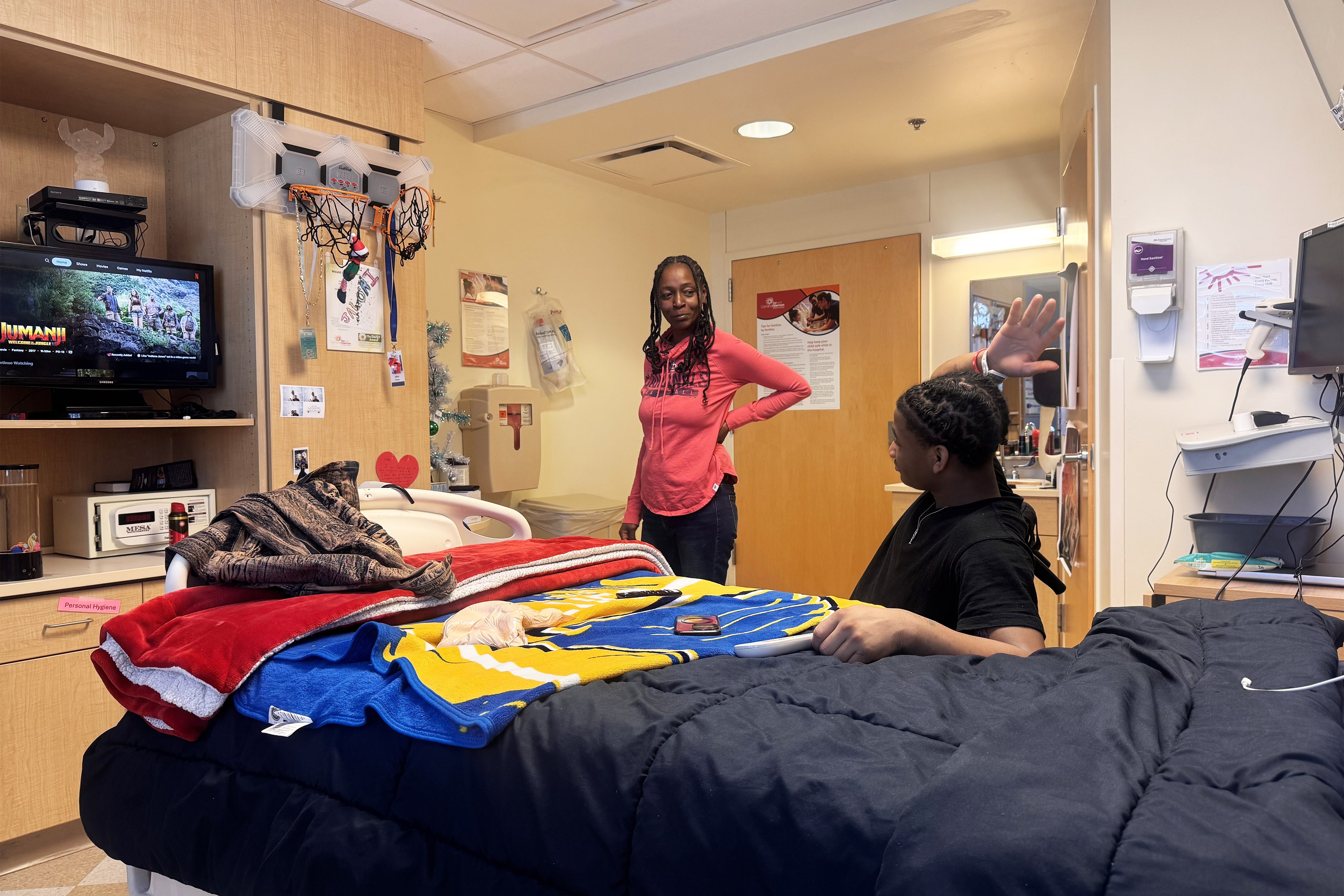
Photo: KFF Health News
Key points
- Thousands of children nationwide experience social stays or hospital boarding beyond medical necessity.
- Foster care shortages and a lack of specialized placement options are primary drivers of prolonged hospitalizations.
- Prolonged stays impose heavy financial burdens on hospitals and significant emotional tolls on affected youth.
A nationwide issue known as hospital boarding occurs when children stay in medical facilities past the point of medical necessity because they lack a safe place to go. According to medical records and reports, a teenager named Jaloni spent over 475 days across a three-year period at SSM Health Cardinal Glennon Children's Hospital in St. Louis following severe gunshot wounds, with portions of his stay prolonged by a lack of stable housing options.
Hospital boarding frequently affects children with mental health challenges, chronic physical conditions, or disabilities requiring specialized care amid ongoing shortages of suitable foster placements. While studies indicate that housing a child with complex needs in a hospital setting incurs substantial daily expenses, healthcare systems often absorb significant uncompensated costs when discharge pathways fail.
State records indicate that Missouri spent upwards of $64.7 million over a five-year period boarding children in state custody within medical facilities. However, hospital association representatives suggest this figure significantly underestimates the true scope of the issue, as facilities may lack adequate staffing to properly log and seek reimbursement for these prolonged stays, leaving vulnerable youths caught in limbo.
What to know: Hospital boarding describes children remaining in medical facilities beyond medical necessity due to placement shortages. Always consult qualified healthcare professionals or social services for guidance on individual medical and care decisions.
Source KFF Health News — kffhealthnews.org/public-health/hospital-boarding-social-stays-jaloni-t… ↗
Read next
 🏥Public Health
Preventive Services Task Force Resumes Meetings Under New Leadership
The U.S. Preventive Services Task Force is set to reconvene this week for the first time in over a year following a significant membership overhaul by Health Secretary Ro…
 ❤️Conditions & Care
Blood-Based Genetic Signature May Predict CAR T-Cell Therapy Success in Lymphoma
Researchers have identified a specific RNA signature in blood plasma that may help predict how well lymphoma patients respond to CAR T-cell therapy.
 🧠AI Analysis
Ultraprocessed Diets May Impact Brain Reward Systems in Younger Adults
A Virginia Tech study suggests that individuals aged 18 to 21 may experience changes in brain reward processing after consuming ultraprocessed foods, a response not obser…
 🧠Mind & Mental Health
Addressing Body Image and the Reality of Gluteal Anatomy
A personal reflection on the social and psychological impact of body shape, specifically regarding the gluteal region, and the limitations of consumer solutions for perce…
 ❤️Conditions & Care
Migraine and Smoking Linked to Increased Early Stroke Risk in Women
A large-scale study suggests that people who have given birth and experience migraines while also smoking face a significantly higher risk of stroke before age 60.
 🏃Fitness
Expert Advice on Hydration Gear Sparks Debate Among Recreational Runners
Olympic medalist Josh Kerr recently suggested that runners may not require hydration packs for distances under 12 miles, igniting a broader conversation about gear necess…