Immature Brain Cells May Hold the Key to Forming Social Memories
A recent preclinical study published in Nature Neuroscience suggests that newly generated, adaptable neurons in the hippocampus help the brain separate overlapping social experiences and strengthen memory consolidation.
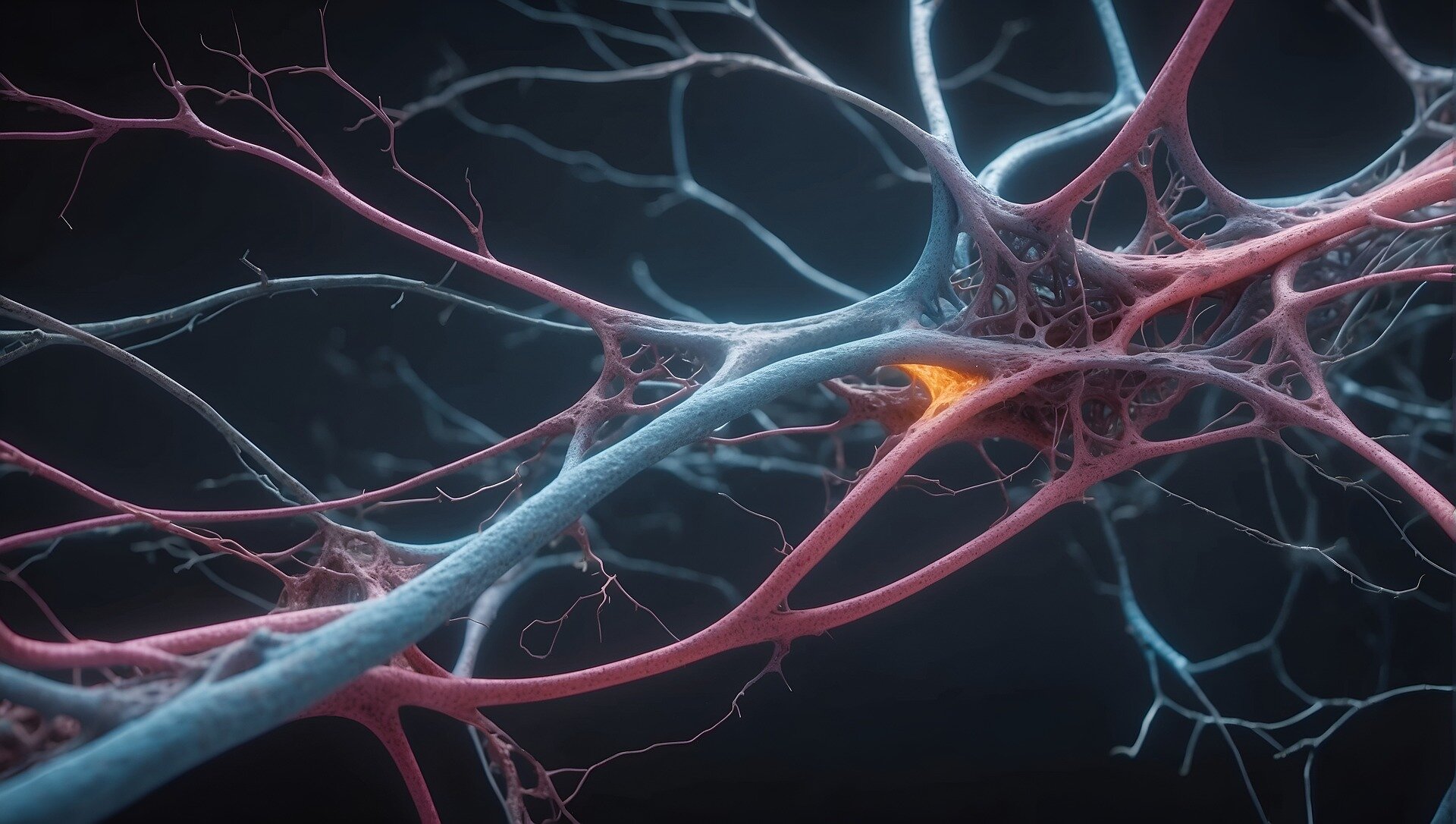 🔬Research
Photo: Medical Xpress
Key points
- Immature neurons in the hippocampus help the brain distinguish between similar social memories.
- Increasing four-week-old neurons in mice improved their ability to recognize familiar versus unfamiliar animals.
- The experiments were conducted in mice, meaning human application requires further study.
Researchers at Mass General Brigham, the Harvard Stem Cell Institute, and the Broad Institute of MIT and Harvard have published new findings regarding how the brain remembers individuals we have encountered before, particularly when similar experiences try to compete for our attention. Focusing on the hippocampus—a brain region critical for learning and memory—the team investigated adult-born neurons that spend an extended period in an immature, highly adaptable state capable of influencing local brain circuits.
Co-led by Ain Chung and Jason Bondoc Alipio and supervised by Amar Sahay, the research team utilized a genetic method in mice to boost the population of specific four-week-old immature neurons within the hippocampus. The team subsequently evaluated the animals' capacity to differentiate between known and unknown mice, even in scenarios where an earlier social interaction might normally disrupt the encoding of a newer memory. According to the findings, mice possessing an elevated count of these immature cells demonstrated a superior ability to tell familiar and unfamiliar mice apart under these complex testing conditions, whereas increasing the number of older, more mature neurons yielded no such advantage.
To better understand the underlying mechanisms, the investigators examined how these young cells impacted memory pathways. They observed that the immature neurons enhanced inhibitory synaptic transmission within hippocampal regions dedicated to social memory, helping to control signal flow through the circuit. Additionally, the team noted shifts in sharp-wave ripples, which are brief bursts of synchronized brain activity occurring during sleep that assist in consolidating recent events into stable, long-term memories. While these observations offer a compelling hint as to why newly formed neurons stay immature for long periods in higher mammals, the work was performed in animal models, meaning further investigation is required to establish whether human brains operate through the same pathways.
What to know: The study indicates that flexibility in young brain cells may support memory separation, but readers should consult a qualified healthcare provider for any personal medical or neurological concerns.
Source Medical Xpress — medicalxpress.com/news/2026-11-clues-young-neurons-brain-social.html ↗
Read next
 🧠Mind & Mental Health
Addressing Body Image and the Reality of Gluteal Anatomy
A personal reflection on the social and psychological impact of body shape, specifically regarding the gluteal region, and the limitations of consumer solutions for perce…
 ❤️Conditions & Care
Migraine and Smoking Linked to Increased Early Stroke Risk in Women
A large-scale study suggests that people who have given birth and experience migraines while also smoking face a significantly higher risk of stroke before age 60.
 🏃Fitness
Expert Advice on Hydration Gear Sparks Debate Among Recreational Runners
Olympic medalist Josh Kerr recently suggested that runners may not require hydration packs for distances under 12 miles, igniting a broader conversation about gear necess…
 🏃Fitness
A Structured Approach to Beginning a Strength and Cardio Routine
A new four-week training program offers beginners a guided path to incorporating strength training and cardiovascular exercise into their daily lives.
 🧠Mind & Mental Health
The Role of Daily Mobility Training in Managing Sedentary Tension
A two-week personal trial suggests that incorporating short, daily mobility exercises may help alleviate stiffness associated with sedentary desk work. Experts note that …
 🧠Mind & Mental Health
New Theoretical Framework Explores Memory Formation and Dementia
Researchers have proposed a new model suggesting the brain's limbic system functions similarly to generative AI, potentially offering a new way to understand and classify…