Ancient Viral DNA May Account for Key Differences in Human and Chimpanzee Brain Development
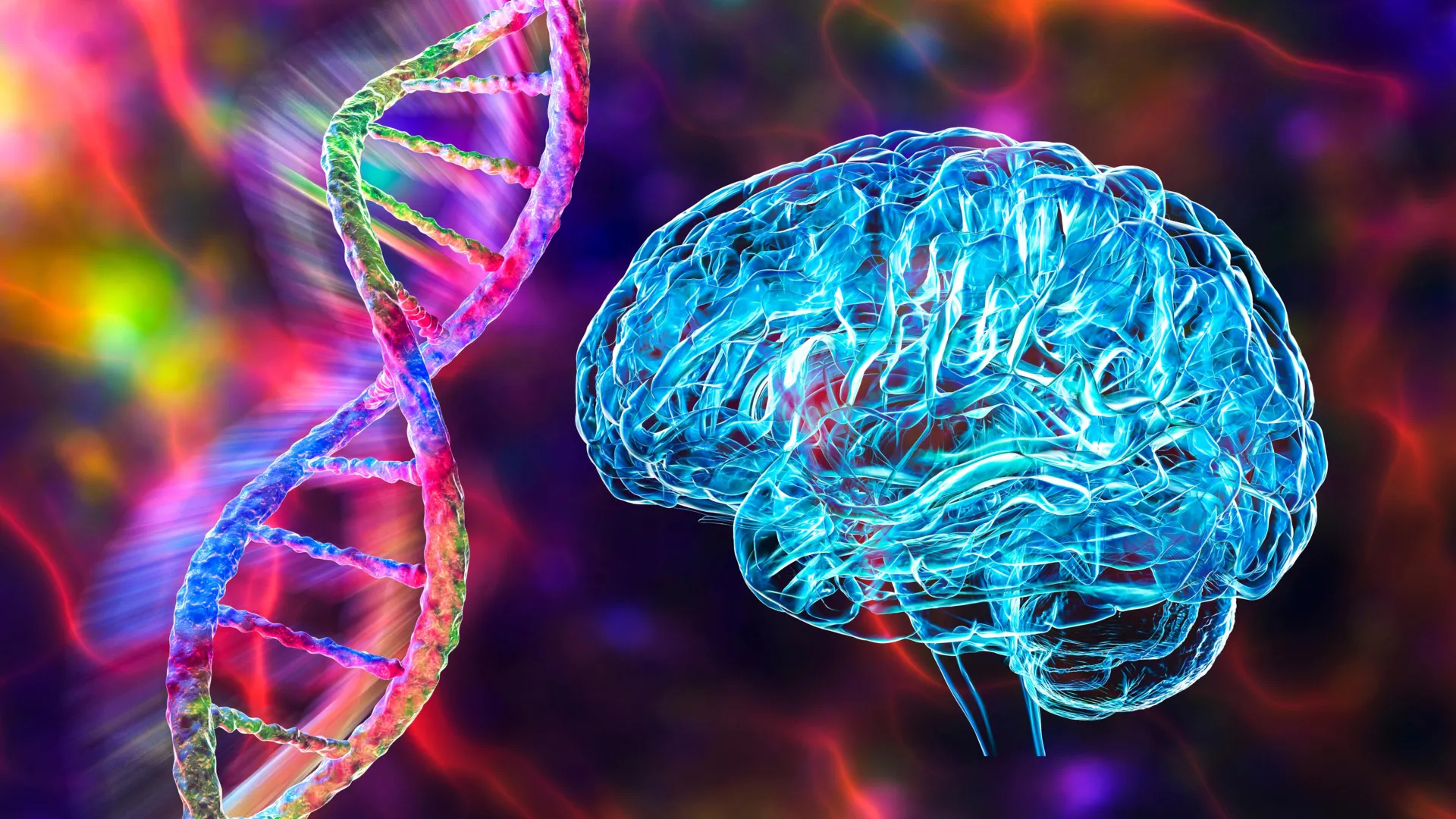
A study by Lund University researchers suggests that an ancient viral infection left genetic remnants in chimpanzees that switch off a crucial brain development gene still active in humans.
 🔬Research
Photo: ScienceDaily Mind & Brain
Key points
- Ancient viral DNA from PTERV1 silences a gene in chimpanzees that remains active in humans.
- Researchers used stem cell-derived organoids and CRISPR-Cas9 gene editing to test and confirm the mechanism.
- The gene LINC00662 showed strong activity in human brain models but was inactive in chimpanzee models.
Researchers at Lund University have discovered that genetic material left behind by an ancient virus may explain a fundamental difference in how human and chimpanzee brains develop. Published in the journal Science Advances, the findings reveal that viral DNA embedded in the chimpanzee genome effectively silences a gene that remains active in humans. While infectious diseases are often viewed through a modern lens, ancient pathogens have repeatedly altered host genomes over millions of years, shaping how genetic instructions function today.
To investigate these evolutionary divergences, the study utilized miniature three-dimensional brain models called organoids, grown from human and chimpanzee stem cells. Investigators observed that a specific gene, LINC00662, showed strong activity in human brain organoids but was completely inactive in chimpanzee models. Using CRISPR-Cas9 gene-editing technology, the team removed the viral sequence—known as PTERV1—from chimpanzee cells, which caused the previously dormant LINC00662 gene to switch back on. Conversely, disabling the gene in human organoids altered the activity of surrounding genetic pathways.
Study authors note that the research is based on laboratory-grown organoids and observational genetic comparisons rather than direct human clinical trials, meaning the precise downstream functional consequences in living brains require further study. Understanding these regulatory differences could ultimately shed light on genetic mechanisms that protect the brain or contribute to neurological conditions. Readers should consult a qualified medical professional for any personal health decisions.
What to know: Ancient viral remnants may explain why certain brain development genes active in humans remain switched off in chimpanzees, according to recent laboratory organoid research from Lund University.
Source ScienceDaily Mind & Brain — sciencedaily.com/releases/2026/11/261114202230.htm ↗
Read next
 🏥Public Health
Preventive Services Task Force Resumes Meetings Under New Leadership
The U.S. Preventive Services Task Force is set to reconvene this week for the first time in over a year following a significant membership overhaul by Health Secretary Ro…
 ❤️Conditions & Care
Blood-Based Genetic Signature May Predict CAR T-Cell Therapy Success in Lymphoma
Researchers have identified a specific RNA signature in blood plasma that may help predict how well lymphoma patients respond to CAR T-cell therapy.
 🧠AI Analysis
Ultraprocessed Diets May Impact Brain Reward Systems in Younger Adults
A Virginia Tech study suggests that individuals aged 18 to 21 may experience changes in brain reward processing after consuming ultraprocessed foods, a response not obser…
 🧠Mind & Mental Health
Addressing Body Image and the Reality of Gluteal Anatomy
A personal reflection on the social and psychological impact of body shape, specifically regarding the gluteal region, and the limitations of consumer solutions for perce…
 ❤️Conditions & Care
Migraine and Smoking Linked to Increased Early Stroke Risk in Women
A large-scale study suggests that people who have given birth and experience migraines while also smoking face a significantly higher risk of stroke before age 60.
 🏃Fitness
Expert Advice on Hydration Gear Sparks Debate Among Recreational Runners
Olympic medalist Josh Kerr recently suggested that runners may not require hydration packs for distances under 12 miles, igniting a broader conversation about gear necess…