Amniotic Grafts Show Success in Repairing Complex Macular Holes
A clinical review suggests that freeze-dried human amniotic membrane grafts can successfully close large or persistent macular holes and improve visual acuity.
 🔬Research
Photo: Nature Health Sciences
Key points
- Human amniotic membrane (hAM) grafts achieved 100% anatomical closure in refractory macular holes after up to two surgeries.
- Over 52% of patients reached a visual acuity of 0.7 or better following the procedure.
- Common complications included transiently elevated eye pressure and initial non-closure in 15.79% of cases.
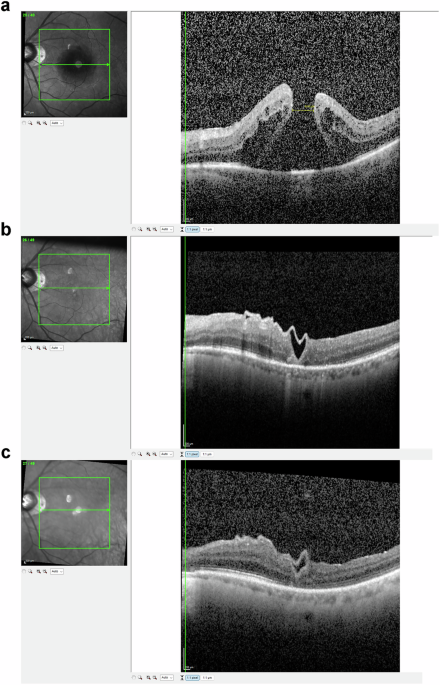
Researchers have found that using human amniotic membrane (hAM) grafts may be an effective solution for closing large and persistent macular holes. A clinical review examined the outcomes of 26 eyes from 23 patients who underwent the procedure at a single medical center between October 2023 and May 2025. The study focused on "refractory" cases—holes that had failed to close with previous surgical attempts—as well as primary repairs for very large gaps.
The macula is the central part of the retina responsible for detailed vision. When a hole forms, it can cause significant blurring or blind spots. In this procedure, surgeons inserted freeze-dried amniotic tissue into the hole to act as a biological scaffold. The results showed an anatomical closure rate of 84.21% in refractory cases after the first procedure, which reached 100% for those who required a follow-up surgery. Furthermore, over 52% of patients achieved a visual acuity of 0.7 or better at their final follow-up.
While the findings are encouraging, the procedure is not without risks. The most common postoperative complications were a temporary increase in intraocular pressure and instances where the hole did not close initially, each occurring in about 16% of cases. Additionally, the study was limited by its small sample size and the fact that the majority of surgeries were performed by a single surgeon at one location, suggesting more research is needed to confirm the broader applicability of the technique.
What to know: This surgical approach uses tissue derived from the placenta to help the retina heal. If you are experiencing vision changes, consult an eye specialist to discuss the most appropriate treatment options for your eye health.
Source Nature Health Sciences — nature.com/articles/s41433-026-04896-1 ↗
Read next
 🧠Mind & Mental Health
Addressing Body Image and the Reality of Gluteal Anatomy
A personal reflection on the social and psychological impact of body shape, specifically regarding the gluteal region, and the limitations of consumer solutions for perce…
 ❤️Conditions & Care
Migraine and Smoking Linked to Increased Early Stroke Risk in Women
A large-scale study suggests that people who have given birth and experience migraines while also smoking face a significantly higher risk of stroke before age 60.
 🏃Fitness
Expert Advice on Hydration Gear Sparks Debate Among Recreational Runners
Olympic medalist Josh Kerr recently suggested that runners may not require hydration packs for distances under 12 miles, igniting a broader conversation about gear necess…
 🏃Fitness
A Structured Approach to Beginning a Strength and Cardio Routine
A new four-week training program offers beginners a guided path to incorporating strength training and cardiovascular exercise into their daily lives.
 🧠Mind & Mental Health
The Role of Daily Mobility Training in Managing Sedentary Tension
A two-week personal trial suggests that incorporating short, daily mobility exercises may help alleviate stiffness associated with sedentary desk work. Experts note that …
 🧠Mind & Mental Health
New Theoretical Framework Explores Memory Formation and Dementia
Researchers have proposed a new model suggesting the brain's limbic system functions similarly to generative AI, potentially offering a new way to understand and classify…