Blood Biomarker Shows Promise for Identifying Advanced CTE
Researchers have identified a specific tau protein fragment that may help diagnose chronic traumatic encephalopathy in living patients, though the discovery remains in early stages.
 🔬Research
Photo: ABC News Health
Key points
- Researchers identified the eMTBR-tau243 protein fragment as a potential biomarker for advanced CTE.
- The study found higher protein levels in blood samples from 11 individuals with the disease compared to healthy controls.
- Findings are currently limited to advanced stages of the disease and require validation in much larger study groups.
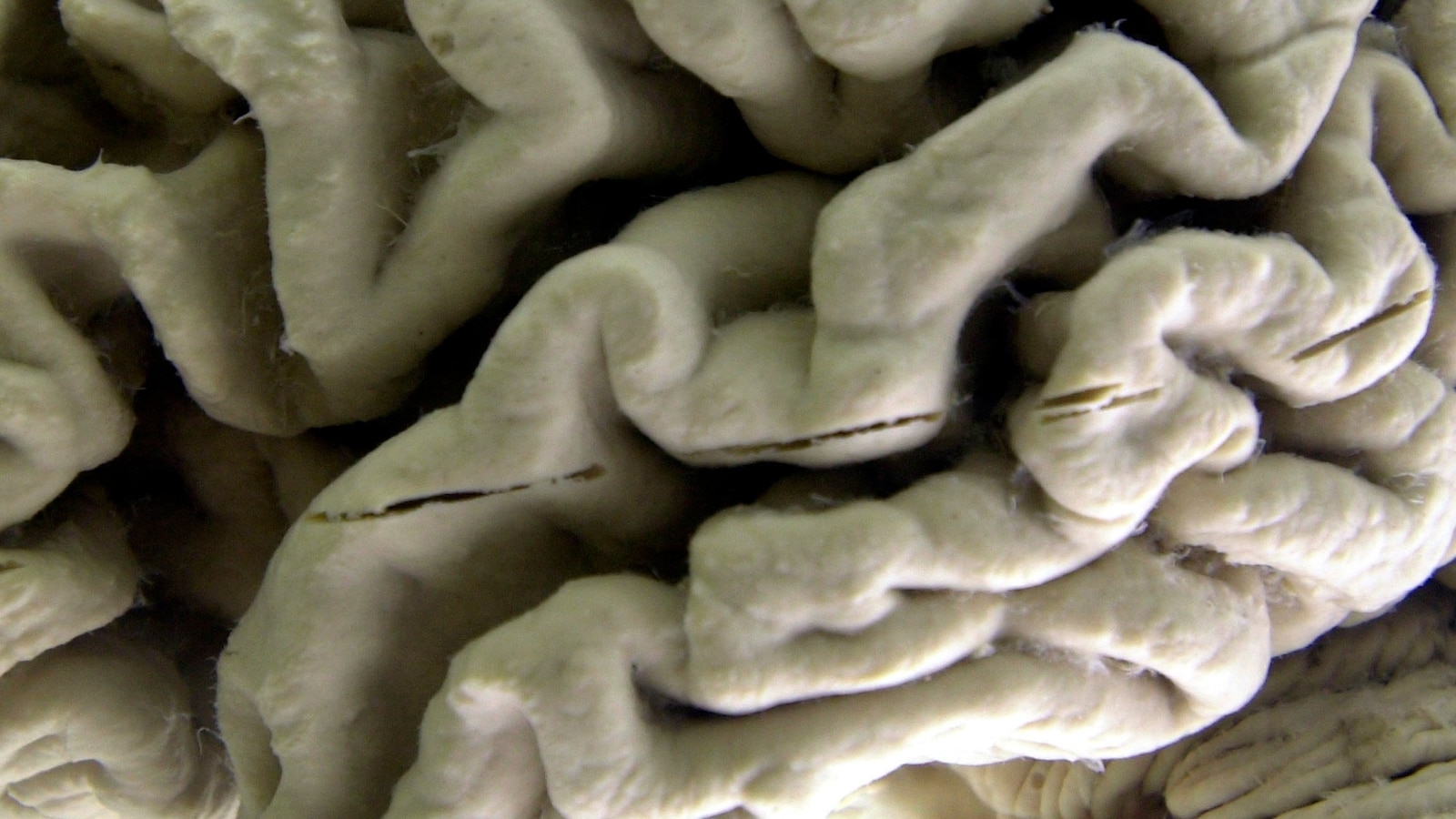
Scientists at Washington University in St. Louis have identified a potential biological marker that may eventually help doctors diagnose chronic traumatic encephalopathy (CTE) in living patients. The study, published in the journal JAMA, identifies a specific fragment of the tau protein, known as eMTBR-tau243, which appeared in significantly higher concentrations in individuals with advanced stages of the neurodegenerative disease.
Understanding the Diagnostic Challenge
CTE is a brain condition associated with repeated head trauma, often seen in contact sport athletes and military veterans. Currently, a definitive diagnosis is only possible through a post-mortem examination of brain tissue. While clinicians look for symptoms like memory loss and mood instability, these signs often overlap with other conditions, making accurate diagnosis during a patient's lifetime extremely difficult.
The research team, led by assistant neurology professor Chihiro Sato, initially noticed the biomarker while studying autopsy samples for Alzheimer’s disease. They found a specific case where high levels of the tau fragment were present in a patient who did not have Alzheimer’s but did have advanced CTE. This led to a broader investigation involving blood samples from 11 individuals previously diagnosed with the condition.
Despite the promising results, the study authors and outside experts emphasize that the findings are preliminary. Dr. Rudolph Castellani, a neuropathologist at Northwestern University not involved in the study, cautioned that far larger investigations are needed to confirm the connection. The biomarker was only effective in identifying advanced cases and could not reliably detect early-stage CTE. Additionally, because abnormal tau proteins are present in various neurological disorders, distinguishing CTE from other "tauopathies" remains a significant challenge.
What to know: This research from Washington University suggests a possible path forward for CTE testing, but it is not yet a clinical reality. Individuals concerned about head trauma or cognitive changes should consult a medical professional for evaluation.
Source ABC News Health — abcnews.com/Health/wireStory/preliminary-study-finds-clue-quest-diagnos… ↗
Read next
 🏥Public Health
Preventive Services Task Force Resumes Meetings Under New Leadership
The U.S. Preventive Services Task Force is set to reconvene this week for the first time in over a year following a significant membership overhaul by Health Secretary Ro…
 ❤️Conditions & Care
Blood-Based Genetic Signature May Predict CAR T-Cell Therapy Success in Lymphoma
Researchers have identified a specific RNA signature in blood plasma that may help predict how well lymphoma patients respond to CAR T-cell therapy.
 🧠AI Analysis
Ultraprocessed Diets May Impact Brain Reward Systems in Younger Adults
A Virginia Tech study suggests that individuals aged 18 to 21 may experience changes in brain reward processing after consuming ultraprocessed foods, a response not obser…
 🧠Mind & Mental Health
Addressing Body Image and the Reality of Gluteal Anatomy
A personal reflection on the social and psychological impact of body shape, specifically regarding the gluteal region, and the limitations of consumer solutions for perce…
 ❤️Conditions & Care
Migraine and Smoking Linked to Increased Early Stroke Risk in Women
A large-scale study suggests that people who have given birth and experience migraines while also smoking face a significantly higher risk of stroke before age 60.
 🏃Fitness
Expert Advice on Hydration Gear Sparks Debate Among Recreational Runners
Olympic medalist Josh Kerr recently suggested that runners may not require hydration packs for distances under 12 miles, igniting a broader conversation about gear necess…