Global Study Highlights Critical Gaps in Liver Disease Tracking
A new systematic review of 62 liver disease registries reveals significant disparities in data management, governance, and long-term funding, particularly in low-income regions.
 🏥Public Health
Photo: Nature Health Sciences
Key points
- Only one-third of surveyed liver disease registries have established governance structures.
- Nearly half of all registries lack the long-term funding necessary for sustainable operation.
- Most existing registries are located in high-income countries, leaving low-income regions with limited data tracking capabilities.
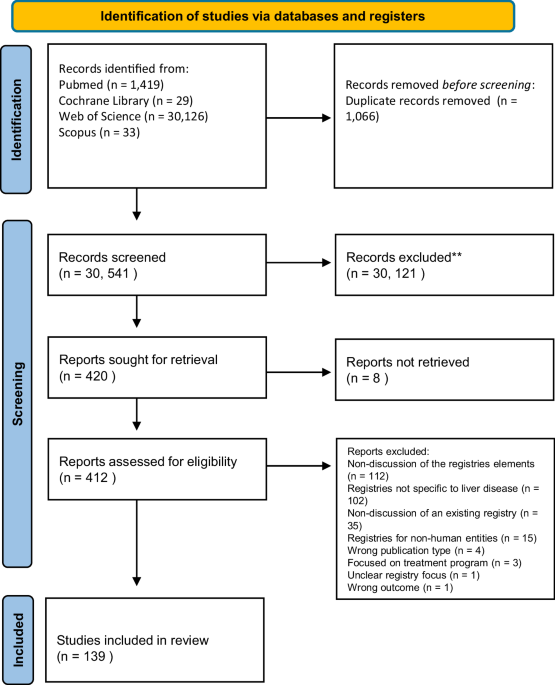
A recent systematic review published in npj Digital Public Health has identified major inconsistencies in the structure and sustainability of global liver disease registries. By analyzing 139 publications covering 62 registries, researchers found that while these tools are essential for tracking viral hepatitis and liver cancer, most are concentrated in high-income nations. The study highlights that while half of the surveyed registries operate at a national level, only one-third possess formal governance structures, and nearly 50% face challenges with long-term financial stability.
The Role of Registries in Healthcare
Disease registries serve as vital repositories for clinical data, allowing health systems to monitor disease trends, evaluate the efficacy of treatments in real-world settings, and identify gaps in patient care. The review notes that these systems are particularly important for the Asia-Pacific region, which accounts for more than half of global liver disease-related deaths. However, the lack of standardized data security and quality monitoring in many existing registries limits their ability to inform effective public health policy.
What to know:The study underscores that without robust, well-funded, and standardized registries, many liver disease cases in low-income countries remain undiagnosed or poorly managed. Readers should consult with a healthcare professional regarding liver health concerns, as early detection and consistent monitoring are crucial for managing chronic liver conditions.
Source Nature Health Sciences — nature.com/articles/s44482-025-00011-5 ↗
Read next
 🧠Mind & Mental Health
Addressing Body Image and the Reality of Gluteal Anatomy
A personal reflection on the social and psychological impact of body shape, specifically regarding the gluteal region, and the limitations of consumer solutions for perce…
 ❤️Conditions & Care
Migraine and Smoking Linked to Increased Early Stroke Risk in Women
A large-scale study suggests that people who have given birth and experience migraines while also smoking face a significantly higher risk of stroke before age 60.
 🔬Research
CBD Oil Found Ineffective for Managing Behavioral Issues in Youths with Intellectual Disabilities
A double-blind clinical trial published in JAMA Pediatrics indicates that CBD oil provides no significant behavioral improvement for children and teenagers with intellect…
 🏃Fitness
Expert Advice on Hydration Gear Sparks Debate Among Recreational Runners
Olympic medalist Josh Kerr recently suggested that runners may not require hydration packs for distances under 12 miles, igniting a broader conversation about gear necess…
 🏃Fitness
A Structured Approach to Beginning a Strength and Cardio Routine
A new four-week training program offers beginners a guided path to incorporating strength training and cardiovascular exercise into their daily lives.
 🧠Mind & Mental Health
The Role of Daily Mobility Training in Managing Sedentary Tension
A two-week personal trial suggests that incorporating short, daily mobility exercises may help alleviate stiffness associated with sedentary desk work. Experts note that …