States Target Rural Healthcare Shortages with Incentives, Facing Hurdles
Numerous states are utilizing federal funding to attract medical professionals to underserved rural areas through service-commitment programs, though questions persist regarding retention and rigid requirements.
 🏥Public Health
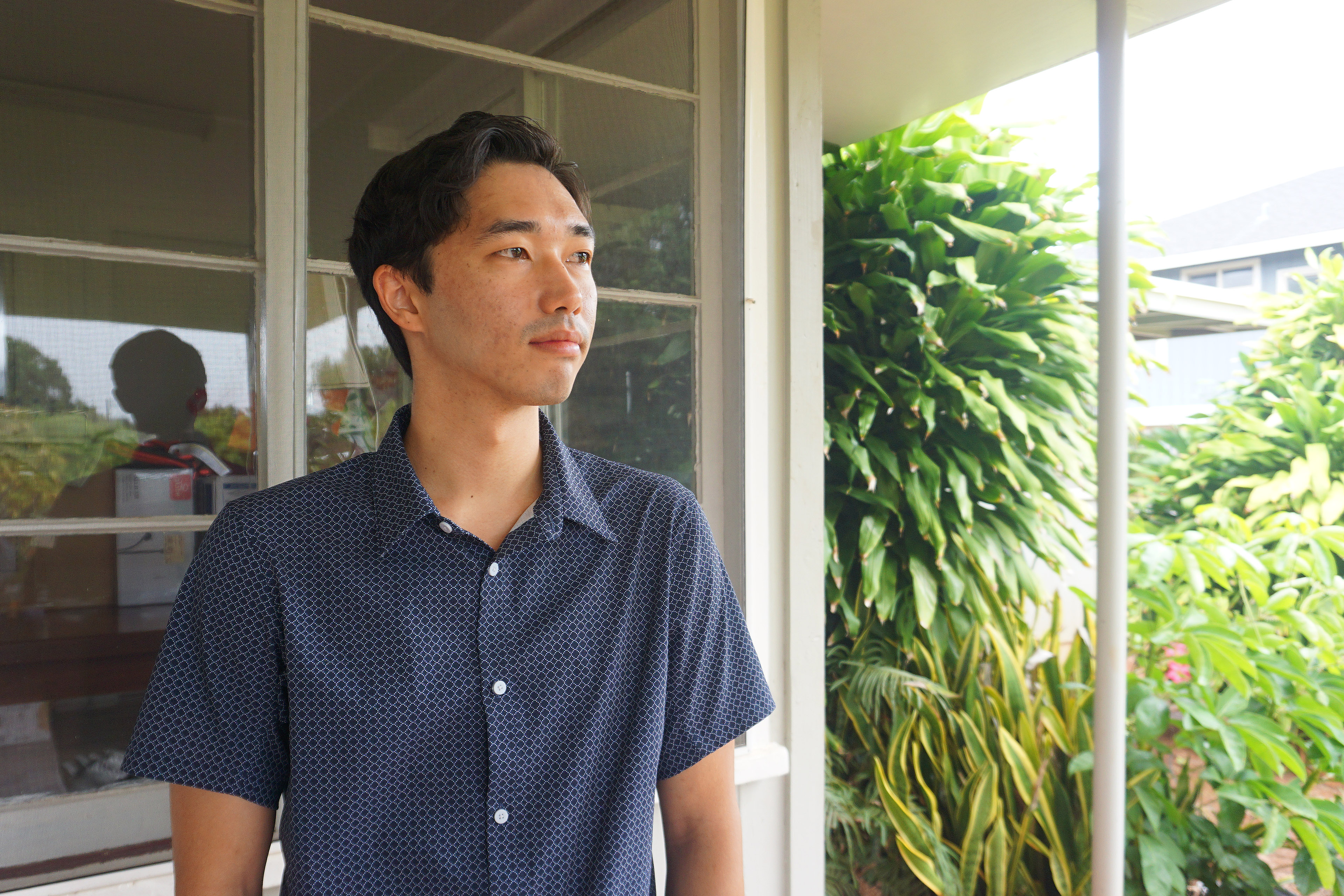
Photo: KFF Health News
Key points
- At least 38 states plan to use federal funding to incentivize rural healthcare practice.
- Programs often require multi-year service commitments in exchange for financial support or tuition coverage.
- Critics and observers question whether strict retention rules account for personal, family, or health challenges.
At least 38 states are moving to address severe rural healthcare shortages by leveraging funds from the $50 billion Rural Health Transformation Program. These initiatives typically offer financial incentives, such as medical school tuition coverage, in exchange for a mandatory period of practice in an underserved rural region. For instance, participants in a University of Hawaiʻi training track receive tuition support if they commit to practicing on the island of Kauaʻi for four years following their residency.
Challenges in Retention and Retention Rules
While these programs aim to bolster staffing in areas with limited medical resources, critics argue that the required service terms—such as a five-year federal requirement tied to the transformation program—may be overly demanding. Personal circumstances, including family responsibilities, partner employment, and unexpected health crises, can disrupt a clinician's ability to fulfill these multi-year commitments.
What to know: Providers who fail to complete their required service terms may face financial penalties, with debt forgiveness generally restricted to severe circumstances like death or disability, subject to federal approval. Readers facing personal medical or career decisions should consult relevant legal, financial, or healthcare advisors before entering binding service agreements.
Source KFF Health News — kffhealthnews.org/rural-health/rural-healthcare-provider-shortage-incen… ↗
Read next
 🧠Mind & Mental Health
Addressing Body Image and the Reality of Gluteal Anatomy
A personal reflection on the social and psychological impact of body shape, specifically regarding the gluteal region, and the limitations of consumer solutions for perce…
 ❤️Conditions & Care
Migraine and Smoking Linked to Increased Early Stroke Risk in Women
A large-scale study suggests that people who have given birth and experience migraines while also smoking face a significantly higher risk of stroke before age 60.
 🔬Research
CBD Oil Found Ineffective for Managing Behavioral Issues in Youths with Intellectual Disabilities
A double-blind clinical trial published in JAMA Pediatrics indicates that CBD oil provides no significant behavioral improvement for children and teenagers with intellect…
 🏃Fitness
Expert Advice on Hydration Gear Sparks Debate Among Recreational Runners
Olympic medalist Josh Kerr recently suggested that runners may not require hydration packs for distances under 12 miles, igniting a broader conversation about gear necess…
 🏃Fitness
A Structured Approach to Beginning a Strength and Cardio Routine
A new four-week training program offers beginners a guided path to incorporating strength training and cardiovascular exercise into their daily lives.
 🧠Mind & Mental Health
The Role of Daily Mobility Training in Managing Sedentary Tension
A two-week personal trial suggests that incorporating short, daily mobility exercises may help alleviate stiffness associated with sedentary desk work. Experts note that …