Federal Officials Announce Funding to Study Psychedelic Ibogaine for PTSD
Health officials have announced up to $4.9 million in federal funding to prepare for the first U.S. clinical studies of ibogaine, a controversial psychedelic targeted at treating post-traumatic stress disorder.
 🏥Public Health
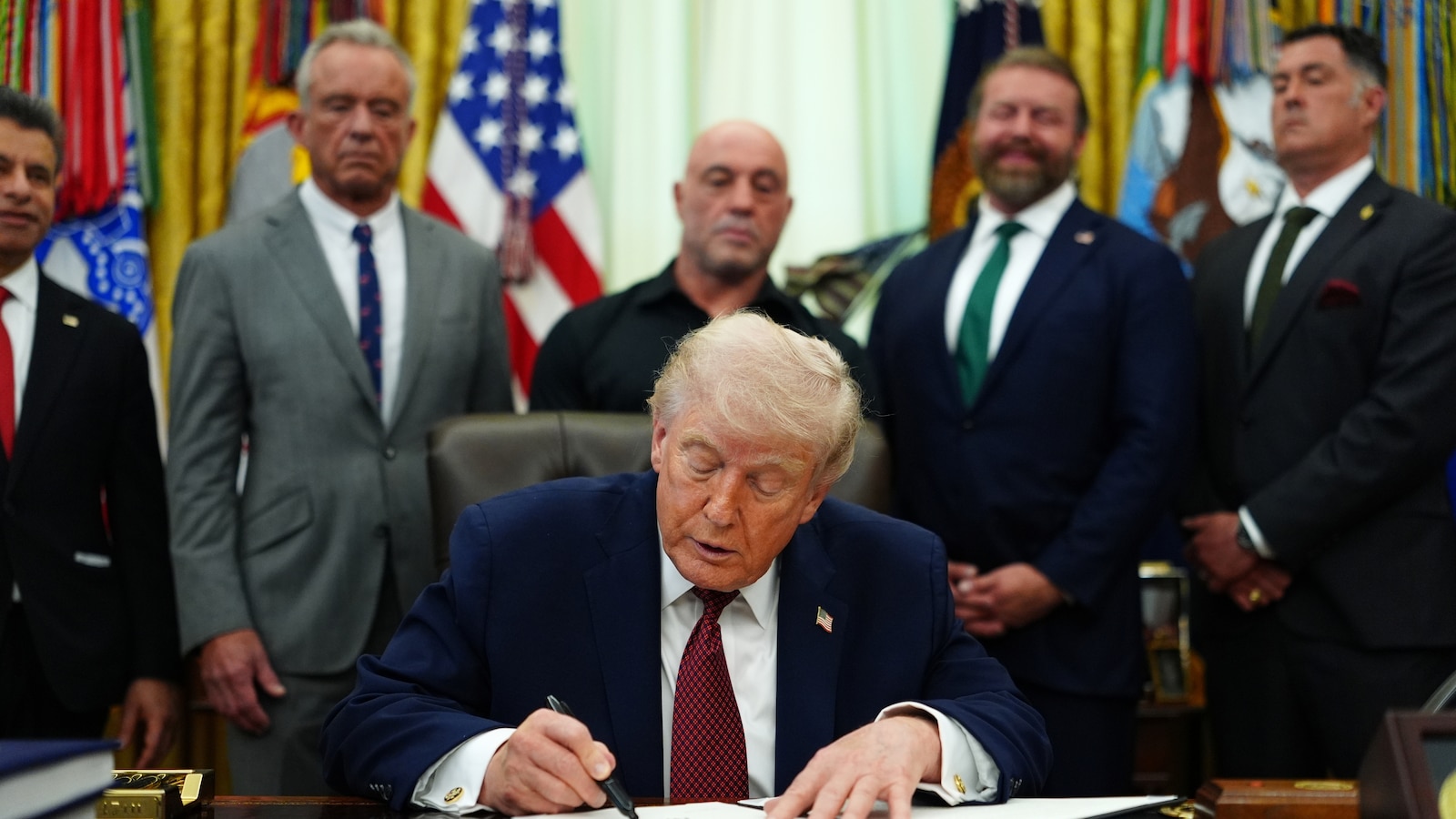
Photo: ABC News Health
Key points
- Department of Health and Human Services is awarding up to $4.9 million for foundational ibogaine research.
- The initiative aims to address post-traumatic stress disorder among military veterans.
- Ibogaine remains an illegal Schedule I substance with known cardiovascular risks, including dangerous heart rhythms.
Federal Initiative Targets Ibogaine for Veteran PTSD
Federal health officials announced on Thursday that the government is awarding up to $4.9 million to lay the groundwork for the first United States studies on ibogaine. Championed by veterans and lawmakers, the funding aims to prepare for manufacturing, dosing, and study design concerning the powerful psychedelic, rather than directly funding patient trials immediately.
Derived from a shrub native to West Africa, ibogaine is presently categorized as an illegal, ultra-restrictive substance alongside drugs like LSD and ecstasy. The compound can induce severe hallucinations, vomiting, tremors, and potentially fatal irregular heart rhythms. Proponents, including various veteran organizations, argue the substance holds significant promise for hard-to-treat conditions like PTSD, depression, and opioid addiction, which disproportionately affect former service members.
Accelerating Research and Safety Protocols
Health Secretary Robert F. Kennedy Jr. stated that the administration will utilize treatment data from Beond Inc., a Texas-based enterprise that has administered ibogaine to more than 3,000 patients in Mexico. Veterans Affairs Secretary Doug Collins emphasized that the collaborative initiative will prioritize patient safety and rigorous scientific standards. Previous scientific inquiry into the drug has stalled for decades due to its legal classification, leaving researchers to rely primarily on observational data from international clinics where treatments frequently cost thousands of dollars and require intensive cardiac monitoring.
What to know: While federal agencies are moving to accelerate the review and study of psychedelics—following an executive order signed by President Donald Trump—ibogaine's considerable cardiovascular risks mean research is still in preliminary stages. Always consult a qualified medical professional before making personal healthcare decisions.
Source ABC News Health — abcnews.com/Health/wireStory/trump-administration-fund-new-research-con… ↗
Read next
 🧠Mind & Mental Health
Addressing Body Image and the Reality of Gluteal Anatomy
A personal reflection on the social and psychological impact of body shape, specifically regarding the gluteal region, and the limitations of consumer solutions for perce…
 ❤️Conditions & Care
Migraine and Smoking Linked to Increased Early Stroke Risk in Women
A large-scale study suggests that people who have given birth and experience migraines while also smoking face a significantly higher risk of stroke before age 60.
 🔬Research
CBD Oil Found Ineffective for Managing Behavioral Issues in Youths with Intellectual Disabilities
A double-blind clinical trial published in JAMA Pediatrics indicates that CBD oil provides no significant behavioral improvement for children and teenagers with intellect…
 🏃Fitness
Expert Advice on Hydration Gear Sparks Debate Among Recreational Runners
Olympic medalist Josh Kerr recently suggested that runners may not require hydration packs for distances under 12 miles, igniting a broader conversation about gear necess…
 🏃Fitness
A Structured Approach to Beginning a Strength and Cardio Routine
A new four-week training program offers beginners a guided path to incorporating strength training and cardiovascular exercise into their daily lives.
 🧠Mind & Mental Health
The Role of Daily Mobility Training in Managing Sedentary Tension
A two-week personal trial suggests that incorporating short, daily mobility exercises may help alleviate stiffness associated with sedentary desk work. Experts note that …