Prenatal Wildfire Smoke Exposure Linked to Asthma in Young Children
A new study indicates that exposure to wildfire smoke during the middle and later months of pregnancy is linked to a higher risk of asthma in young children.
 🥗Nutrition
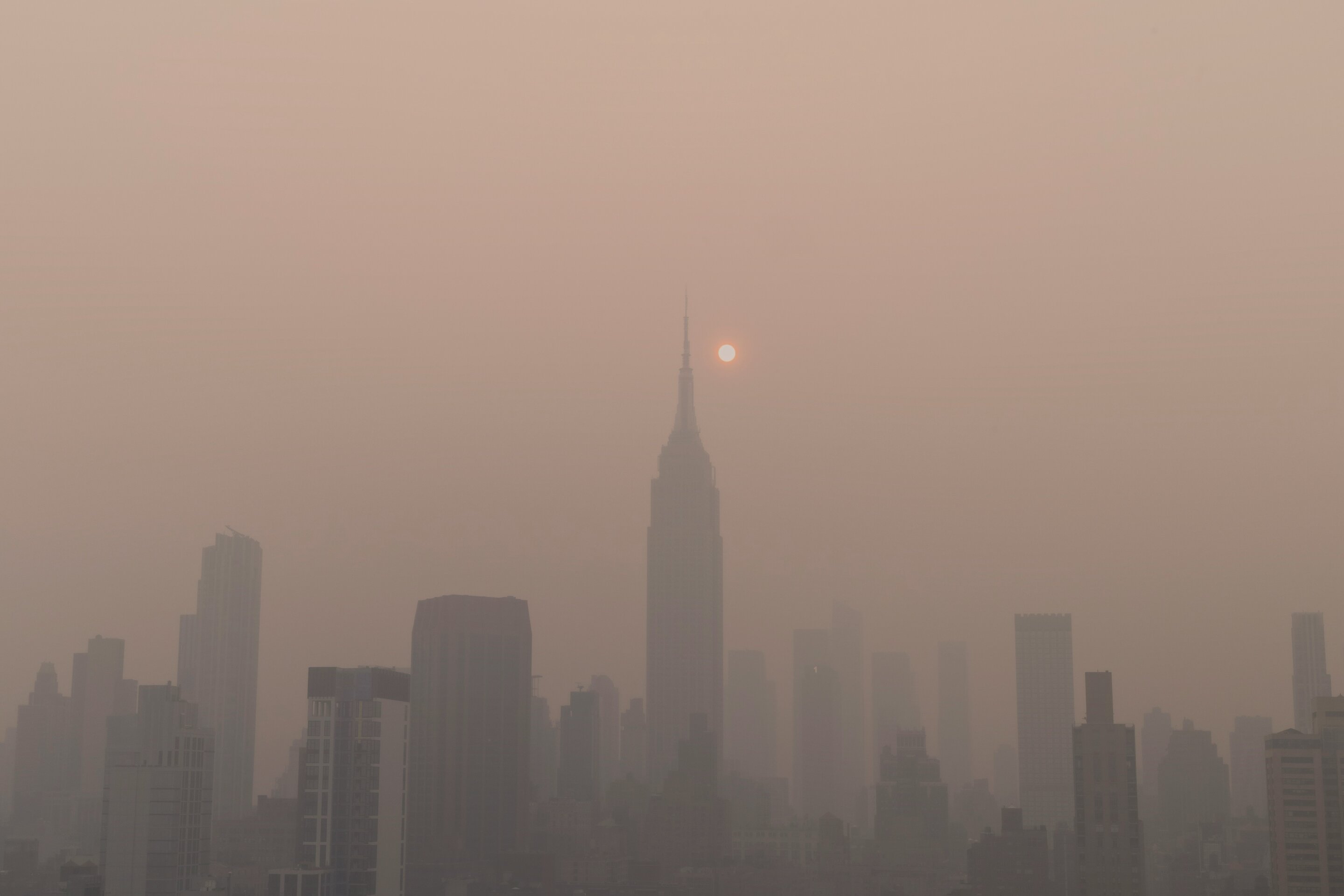
Photo: Medical Xpress
Key points
- Exposure to wildfire smoke during mid-to-late pregnancy is linked to childhood asthma.
- The study analyzed 1,097 full-term children in Northern California affected by 2017-2020 wildfires.
- Researchers adjusted for family history, tobacco smoke, and other common asthma risk factors.
Wildfire Smoke and Fetal Lung Development
Expectant mothers who breathe in wildfire smoke and associated air pollution during the second and third trimesters may face an increased likelihood of their children developing asthma early in life. The research, presented at the American College of Allergy, Asthma and Immunology (ACAAI) 2026 Annual Scientific Meeting and published in the Annals of Allergy Asthma & Immunology, examined data from Northern California following major wildfires between 2017 and 2020.
Because a developing fetus grows lungs while still in the womb, investigators sought to understand if airborne pollutants could alter long-term respiratory health. Lead author Dr. Anh Nguyen noted that fetal lung development occurs in stages, with certain periods proving particularly susceptible to environmental hazards. The observational study evaluated 1,097 full-term children, incorporating participants from the Bio-Specimen Assessment of Fire Effects (B-SAFE) project and chart reviews from UC Davis Medical Center. The analysis adjusted for variables such as family medical history, child age and sex, gestational age at birth, and maternal exposure to cigarette smoke.
While the findings point to a correlation between prenatal smoke inhalation and subsequent childhood asthma, the authors emphasize that the study demonstrates an association rather than direct causation. Because the work is observational, limitations include estimating daily air pollution levels and accounting for outside confounding variables. What to know: Expectant parents cannot always avoid natural disasters, but protective measures during severe air quality events—such as remaining inside, shutting windows, and utilizing air purifiers—can minimize pollutant inhalation. Always consult a qualified healthcare provider for personalized medical guidance.
Source Medical Xpress — medicalxpress.com/news/2026-11-wildfire-pregnancy-linked-asthma-young.h… ↗
Read next
 🧠Mind & Mental Health
Addressing Body Image and the Reality of Gluteal Anatomy
A personal reflection on the social and psychological impact of body shape, specifically regarding the gluteal region, and the limitations of consumer solutions for perce…
 ❤️Conditions & Care
Migraine and Smoking Linked to Increased Early Stroke Risk in Women
A large-scale study suggests that people who have given birth and experience migraines while also smoking face a significantly higher risk of stroke before age 60.
 🔬Research
CBD Oil Found Ineffective for Managing Behavioral Issues in Youths with Intellectual Disabilities
A double-blind clinical trial published in JAMA Pediatrics indicates that CBD oil provides no significant behavioral improvement for children and teenagers with intellect…
 🏃Fitness
Expert Advice on Hydration Gear Sparks Debate Among Recreational Runners
Olympic medalist Josh Kerr recently suggested that runners may not require hydration packs for distances under 12 miles, igniting a broader conversation about gear necess…
 🏃Fitness
A Structured Approach to Beginning a Strength and Cardio Routine
A new four-week training program offers beginners a guided path to incorporating strength training and cardiovascular exercise into their daily lives.
 🧠Mind & Mental Health
The Role of Daily Mobility Training in Managing Sedentary Tension
A two-week personal trial suggests that incorporating short, daily mobility exercises may help alleviate stiffness associated with sedentary desk work. Experts note that …