Magnetic Nanoparticles May Offer Non-Invasive Parkinson's Treatment
Researchers have developed a method using magnetic fields and injected nanoplatelets to stimulate deep brain regions in mice, potentially bypassing the need for permanent surgical implants.
 🥗Nutrition
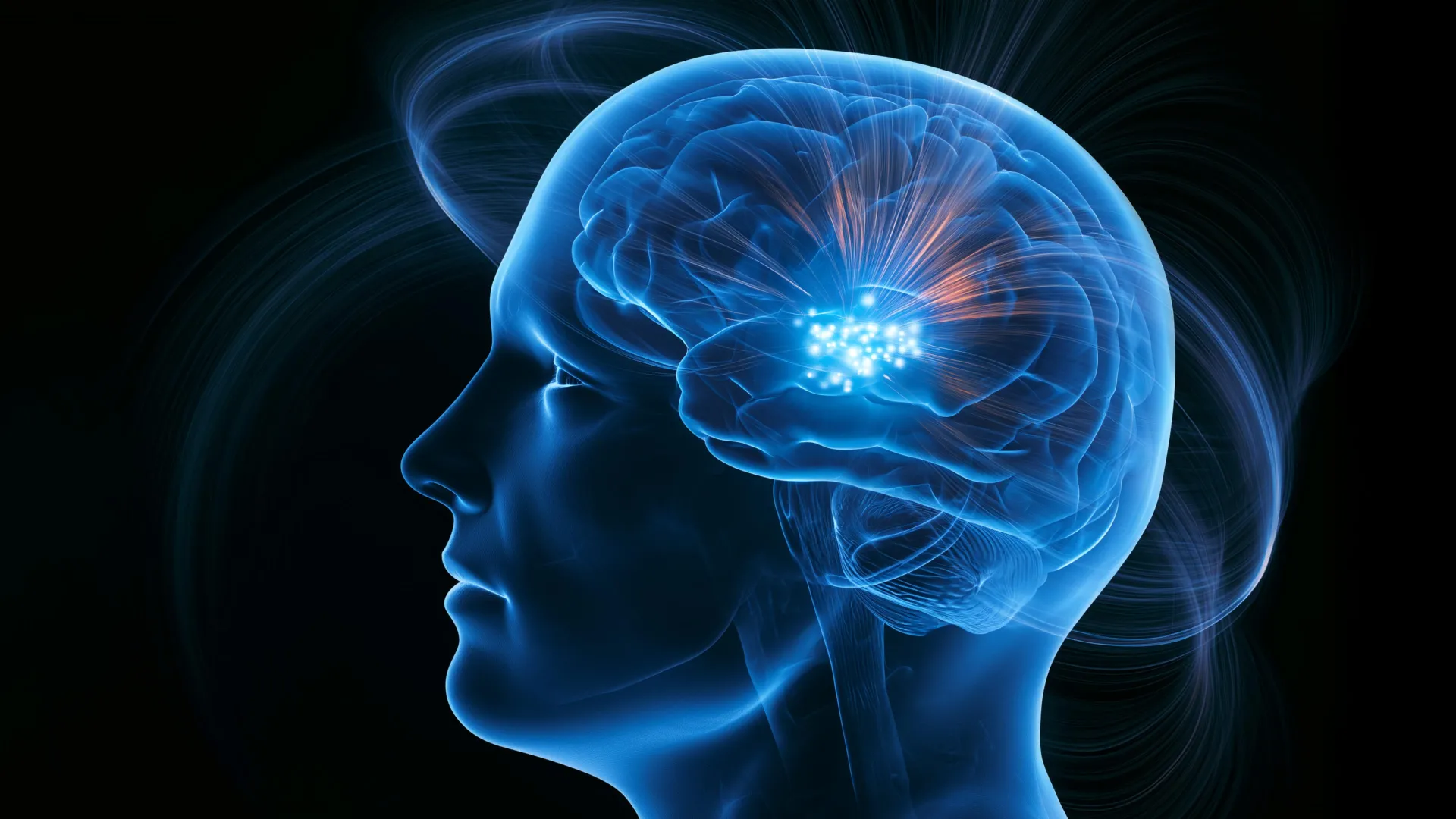
Photo: ScienceDaily Mind & Brain
Key points
- New technique uses magnetic fields and injected nanoplatelets to stimulate deep brain regions.
- Animal experiments on mice showed significant improvements in movement problems without permanent electrodes.
- The method activates nerve cell mechanosensors mechanically rather than relying on direct electrical currents.
An international team of scientists has introduced an experimental technique designed to target deep brain areas using magnetic fields and specialized microscopic particles. Tested on mice exhibiting Parkinson's-like motor symptoms, the approach successfully alleviated movement difficulties without the necessity of permanent electrode implants. Investigators from Friedrich-Alexander-Universität Erlangen-Nürnberg, RWTH Aachen, and the Universities of Maastricht and Leuven published their findings in Advanced Science.
Standard deep brain stimulation for Parkinson's disease relies on surgically placed brain pacemakers that deliver electrical impulses to the subthalamic nucleus to help manage tremors and motor dysfunction. While effective for many, this surgical procedure carries inherent complexities and is not suitable for all patients. The alternative method introduces engineered magnetic nanoplatelets directly into the target brain region via injection. When an external magnetic field is applied, these tiny particles exert microscopic physical forces on nearby nerve cells, mimicking the effects of electrical pacemakers through mechanical stimulation.
This innovative process leverages the natural mechanosensors found in certain neurons, which respond to physical pressure by altering cell membrane shape and opening ion channels. What to know: Although the results in animal models are promising, the research remains in early stages and has not yet been validated in human clinical trials. Readers should consult qualified medical professionals regarding any personal healthcare decisions or therapeutic options.
Source ScienceDaily Mind & Brain — sciencedaily.com/releases/2026/11/261116023354.htm ↗
Read next
 🧠Mind & Mental Health
Addressing Body Image and the Reality of Gluteal Anatomy
A personal reflection on the social and psychological impact of body shape, specifically regarding the gluteal region, and the limitations of consumer solutions for perce…
 ❤️Conditions & Care
Migraine and Smoking Linked to Increased Early Stroke Risk in Women
A large-scale study suggests that people who have given birth and experience migraines while also smoking face a significantly higher risk of stroke before age 60.
 🔬Research
CBD Oil Found Ineffective for Managing Behavioral Issues in Youths with Intellectual Disabilities
A double-blind clinical trial published in JAMA Pediatrics indicates that CBD oil provides no significant behavioral improvement for children and teenagers with intellect…
 🏃Fitness
Expert Advice on Hydration Gear Sparks Debate Among Recreational Runners
Olympic medalist Josh Kerr recently suggested that runners may not require hydration packs for distances under 12 miles, igniting a broader conversation about gear necess…
 🏃Fitness
A Structured Approach to Beginning a Strength and Cardio Routine
A new four-week training program offers beginners a guided path to incorporating strength training and cardiovascular exercise into their daily lives.
 🧠Mind & Mental Health
The Role of Daily Mobility Training in Managing Sedentary Tension
A two-week personal trial suggests that incorporating short, daily mobility exercises may help alleviate stiffness associated with sedentary desk work. Experts note that …