Understanding Perimenopause Cramps: Causes and When to Seek Care
Experts explain why hormonal shifts during perimenopause can trigger new or worsening uterine cramps, with or without menstrual bleeding.
 🥗Nutrition
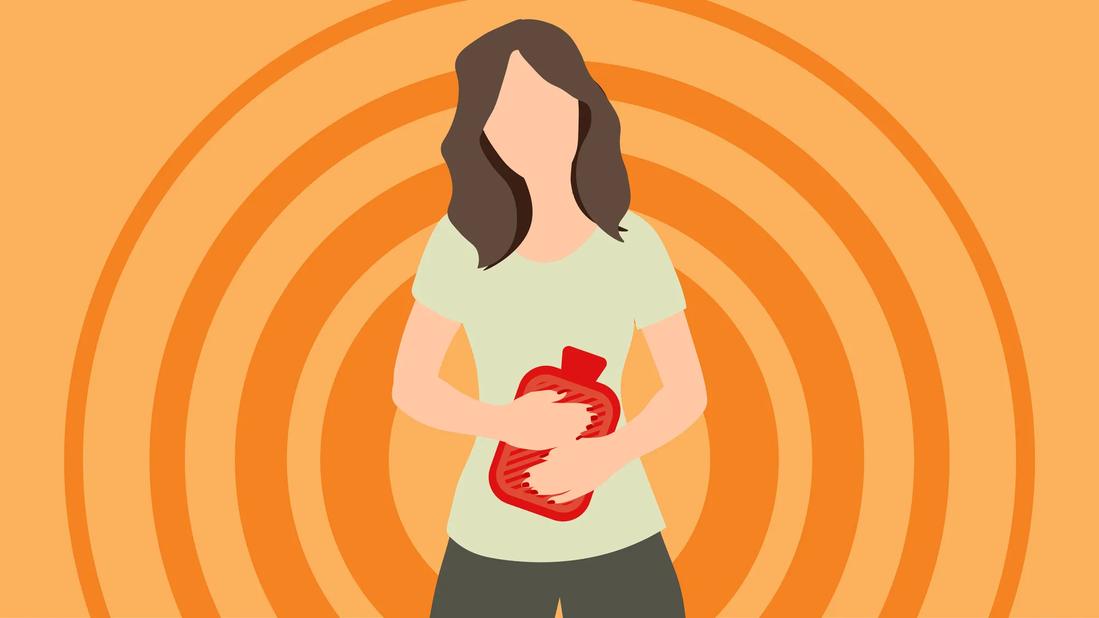
Photo: health.clevelandclinic.org
Key points
- Perimenopause hormone fluctuations can cause uterine contractions and cramping.
- Cramps may occur with or without accompanying menstrual bleeding.
- Persistent cramping 12 months after the final period requires medical evaluation.
As the body transitions toward menopause, fluctuating hormones can introduce unfamiliar physical symptoms, including pelvic discomfort and cramping. According to women’s health specialists at the Cleveland Clinic, these painful sensations are frequently linked to erratic hormonal shifts rather than a standard menstrual cycle. Dr. Rachel Novik, a women’s health specialist, notes that shifting hormone levels may prompt the body to produce higher amounts of prostaglandins, chemicals that stimulate uterine contractions and lead to cramping.
Why Cramps Occur Without a Period
During perimenopause, changing hormone levels and irregular ovulation cycles can mean that individuals experience pelvic pain even in the absence of menstrual bleeding. While some people notice their usual period-related cramps intensify during this transitional window, others may encounter cramping for the very first time. Underlying factors such as adenomyosis may also exacerbate pain and heavy bleeding.
When to Consult a Physician
- Persistent pain: Cramping that continues even after 12 consecutive months without a period requires medical evaluation.
- New health issues: Hormonal shifts may uncover or worsen underlying conditions.
- Differential causes: Gynecological disorders, infections, or digestive issues like constipation can also mimic perimenopausal cramping.
“Discussing your symptoms with your clinician is crucial to rule out other underlying conditions,” advises Dr. Novik. Always talk to a doctor for personal medical advice before making decisions regarding symptom management.
Source health.clevelandclinic.org — health.clevelandclinic.org/cramps-during-perimenopause ↗
Read next
 🏃Fitness
Understanding and Addressing Love Handles Through Lifestyle Changes
Experts clarify that spot reduction of fat is not physiologically possible, recommending a combination of calorie management and high-intensity interval training instead.
 🏃Fitness
Ciele Releases New Woolmark-Certified Merino Winter Running Apparel
Montreal-based brand Ciele has launched its second collection of merino wool running gear, featuring performance-focused fabrics designed for cold-weather training.
 🏥Public Health
Preventive Services Task Force Resumes Meetings Under New Leadership
The U.S. Preventive Services Task Force is set to reconvene this week for the first time in over a year following a significant membership overhaul by Health Secretary Ro…
 ❤️Conditions & Care
Blood-Based Genetic Signature May Predict CAR T-Cell Therapy Success in Lymphoma
Researchers have identified a specific RNA signature in blood plasma that may help predict how well lymphoma patients respond to CAR T-cell therapy.
 🧠AI Analysis
Ultraprocessed Diets May Impact Brain Reward Systems in Younger Adults
A Virginia Tech study suggests that individuals aged 18 to 21 may experience changes in brain reward processing after consuming ultraprocessed foods, a response not obser…
 🧠Mind & Mental Health
Addressing Body Image and the Reality of Gluteal Anatomy
A personal reflection on the social and psychological impact of body shape, specifically regarding the gluteal region, and the limitations of consumer solutions for perce…