Early Brain Shrinkage May Signal Alzheimer's Years Before Memory Loss
Johns Hopkins researchers have discovered that two brain regions begin losing tissue up to a decade before Alzheimer's symptoms emerge, potentially offering a new pathway for early detection.
 🥗Nutrition
Photo: ScienceDaily Mind & Brain
Key points
- Entorhinal cortex and amygdala shrink before the hippocampus in early Alzheimer's.
- Tissue loss is detectable up to a decade before memory symptoms appear.
- Findings are linked to the abnormal accumulation of tau protein.
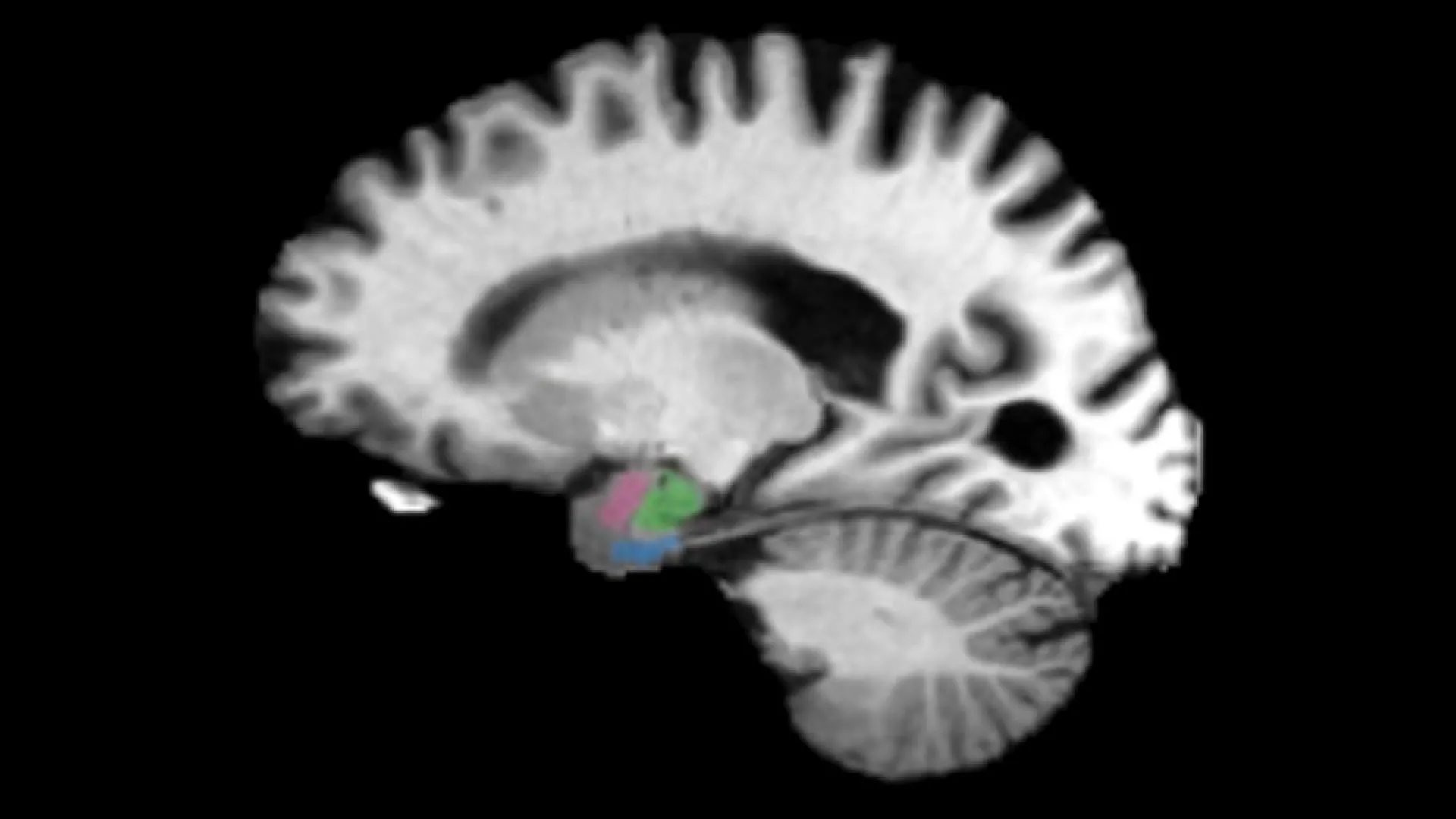
Investigators at Johns Hopkins University have identified two specific areas of the brain that exhibit signs of deterioration significantly earlier than the hippocampus, the region traditionally monitored for Alzheimer's disease markers. By evaluating hundreds of magnetic resonance imaging and positron emission tomography scans from multiple research initiatives, the team observed that the entorhinal cortex and the amygdala undergo tissue loss well before clinical symptoms become apparent.
According to the findings published in NeuroImage Reports and presented at Neuroscience 2026, these physical changes can manifest five to ten years prior to the onset of memory issues. The research also established a link between this early brain tissue reduction and the accumulation of tau, a protein known to form harmful tangles that disrupt normal neurological functions.
While the study utilizes observational scan data rather than a clinical trial, the discovery suggests that monitoring these adjacent structures could improve early identification efforts. Experts note that identifying biological markers before extensive damage occurs is a crucial step toward future interventions aimed at preserving cognitive abilities. Always consult a qualified healthcare professional regarding personal medical concerns or diagnostic decisions.
What to know: Scientists found that the entorhinal cortex and amygdala shrink earlier than the hippocampus in Alzheimer's progression, potentially creating a window for much earlier therapeutic intervention.
Source ScienceDaily Mind & Brain — sciencedaily.com/releases/2026/11/261114202130.htm ↗
Read next
 🧠Mind & Mental Health
Addressing Body Image and the Reality of Gluteal Anatomy
A personal reflection on the social and psychological impact of body shape, specifically regarding the gluteal region, and the limitations of consumer solutions for perce…
 ❤️Conditions & Care
Migraine and Smoking Linked to Increased Early Stroke Risk in Women
A large-scale study suggests that people who have given birth and experience migraines while also smoking face a significantly higher risk of stroke before age 60.
 🔬Research
CBD Oil Found Ineffective for Managing Behavioral Issues in Youths with Intellectual Disabilities
A double-blind clinical trial published in JAMA Pediatrics indicates that CBD oil provides no significant behavioral improvement for children and teenagers with intellect…
 🏃Fitness
Expert Advice on Hydration Gear Sparks Debate Among Recreational Runners
Olympic medalist Josh Kerr recently suggested that runners may not require hydration packs for distances under 12 miles, igniting a broader conversation about gear necess…
 🏃Fitness
A Structured Approach to Beginning a Strength and Cardio Routine
A new four-week training program offers beginners a guided path to incorporating strength training and cardiovascular exercise into their daily lives.
 🧠Mind & Mental Health
The Role of Daily Mobility Training in Managing Sedentary Tension
A two-week personal trial suggests that incorporating short, daily mobility exercises may help alleviate stiffness associated with sedentary desk work. Experts note that …