Study Examines Factors Behind Weight Regain Years After Bariatric Surgery
A cross-sectional study published in Nature Health Sciences investigates nutritional patterns and emotional eating behaviors in adults experiencing weight regain 5 to 8 years following metabolic and bariatric surgery.
 🥗Nutrition
Photo: Nature Health Sciences
Key points
- Evaluated 49 adults 5-8 years after metabolic and bariatric surgery
- Emotional eating was linked to central adiposity but not total weight indices
- Dietary analysis revealed inadequate fiber and high fat consumption
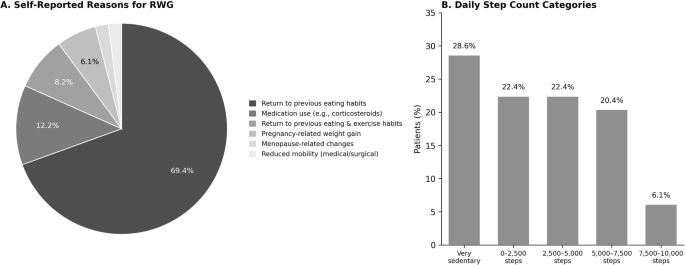
A recent study published in Nature Health Sciences explores the complex factors contributing to recurrent weight gain and suboptimal clinical responses following metabolic and bariatric surgery. Researchers evaluated 49 adult participants five to eight years after their procedures to examine how anthropometric, biochemical, nutritional, and psychological elements interrelate.
Key Findings on Diet and Emotional Eating
The cross-sectional investigation utilized standardized assessments, including three-day food records, body fat measurements, and questionnaires targeting emotional eating and disorder psychopathology. The findings indicate that higher energy, protein, carbohydrate, and cholesterol intake positively correlated with current body weight and waist circumference. Dietary records also suggested patterns of relatively low protein, elevated fat, and inadequate fiber consumption among the participants.
Furthermore, researchers observed that emotional eating scores showed a positive association with waist circumference, though they did not link significantly to overall weight loss percentages or current total body weight. Emotional eating additionally correlated with eating disorder psychopathology. However, authors note limitations, including the cross-sectional design of the study and the relatively small sample size, meaning these observations suggest associations rather than direct causation.
What to know: Long-term follow-up after metabolic and bariatric surgery may benefit from comprehensive multidisciplinary care that integrates both nutritional tracking and behavioral health evaluations. Readers should always consult a qualified healthcare provider for personalized medical and dietary advice.
Source Nature Health Sciences — nature.com/articles/s41366-026-02261-6 ↗
Read next
 🔬Research
JAK Inhibitor Shows Potential in Managing Immune Dysregulation in Down Syndrome
A phase 2 clinical trial indicates that the medication tofacitinib can safely reduce chronic immune overactivity in individuals with Down syndrome, leading to improvement…
 🏃Fitness
Understanding and Addressing Love Handles Through Lifestyle Changes
Experts clarify that spot reduction of fat is not physiologically possible, recommending a combination of calorie management and high-intensity interval training instead.
 🏃Fitness
Ciele Releases New Woolmark-Certified Merino Winter Running Apparel
Montreal-based brand Ciele has launched its second collection of merino wool running gear, featuring performance-focused fabrics designed for cold-weather training.
 🏥Public Health
Preventive Services Task Force Resumes Meetings Under New Leadership
The U.S. Preventive Services Task Force is set to reconvene this week for the first time in over a year following a significant membership overhaul by Health Secretary Ro…
 ❤️Conditions & Care
Blood-Based Genetic Signature May Predict CAR T-Cell Therapy Success in Lymphoma
Researchers have identified a specific RNA signature in blood plasma that may help predict how well lymphoma patients respond to CAR T-cell therapy.
 🧠AI Analysis
Ultraprocessed Diets May Impact Brain Reward Systems in Younger Adults
A Virginia Tech study suggests that individuals aged 18 to 21 may experience changes in brain reward processing after consuming ultraprocessed foods, a response not obser…