Investigating the Potential Cognitive Effects of GLP-1 Medications
Researchers are exploring whether weight-loss and diabetes drugs like semaglutide and tirzepatide could offer benefits for brain health and cognitive function.
 🏃Fitness
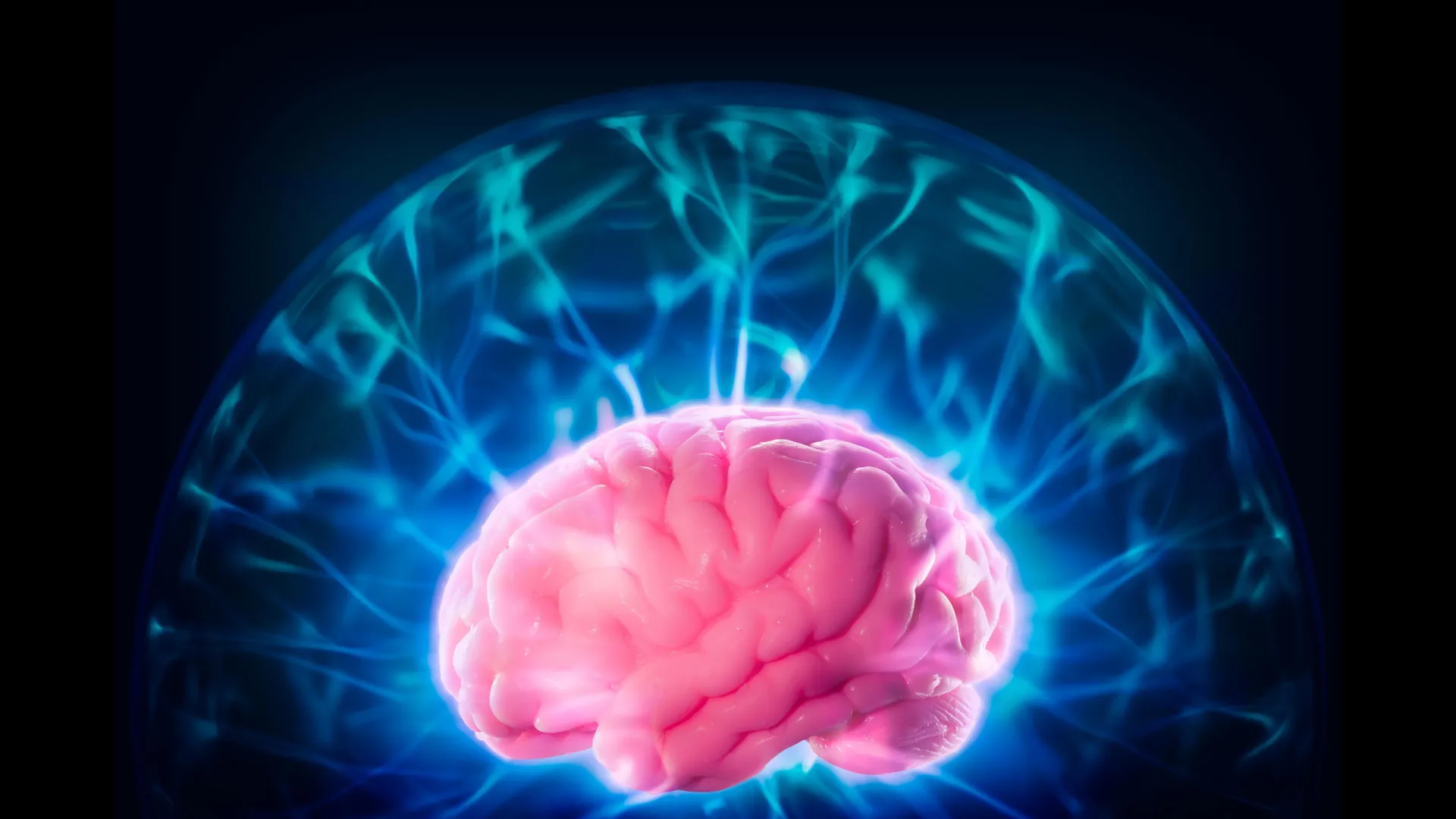
Photo: ScienceDaily Mind & Brain
Key points
- GLP-1 drugs show potential links to improved cognitive health via metabolic regulation.
- Clinical trials have not yet demonstrated that these drugs slow Alzheimer's disease.
- Researchers emphasize the need for trials that measure cognitive function from the start of treatment.
New research from the University of Gothenburg and the University of Copenhagen suggests that GLP-1 medications, commonly used to treat type 2 diabetes and obesity, may influence biological processes related to brain function. While animal studies indicate potential benefits for memory and learning, evidence in humans remains mixed. Observational data has linked these treatments to a lower risk of dementia in diabetic patients, yet clinical trials, such as the EVOKE and EVOKE+ studies, found that semaglutide did not slow the progression of established Alzheimer's disease.
Experts suggest that the cognitive benefits of these drugs might be indirect, stemming from improved metabolic health, blood sugar regulation, and vascular function rather than a direct impact on neurodegenerative conditions. Stina Börchers, the study's lead author, notes that the focus should shift toward whether early intervention can preserve cognitive abilities before deficits become established.
What to know: While the potential for cognitive support is promising, current findings are not definitive. Researchers warn that rapid weight loss associated with these drugs can lead to muscle mass reduction, which may negatively affect physical health in older or frail adults. Always consult your healthcare provider to discuss individual medical needs and treatment options.
Source ScienceDaily Mind & Brain — sciencedaily.com/releases/2026/11/261116023401.htm ↗
Read next
 🏥Public Health
Preventive Services Task Force Resumes Meetings Under New Leadership
The U.S. Preventive Services Task Force is set to reconvene this week for the first time in over a year following a significant membership overhaul by Health Secretary Ro…
 ❤️Conditions & Care
Blood-Based Genetic Signature May Predict CAR T-Cell Therapy Success in Lymphoma
Researchers have identified a specific RNA signature in blood plasma that may help predict how well lymphoma patients respond to CAR T-cell therapy.
 🧠AI Analysis
Ultraprocessed Diets May Impact Brain Reward Systems in Younger Adults
A Virginia Tech study suggests that individuals aged 18 to 21 may experience changes in brain reward processing after consuming ultraprocessed foods, a response not obser…
 🧠Mind & Mental Health
Addressing Body Image and the Reality of Gluteal Anatomy
A personal reflection on the social and psychological impact of body shape, specifically regarding the gluteal region, and the limitations of consumer solutions for perce…
 ❤️Conditions & Care
Migraine and Smoking Linked to Increased Early Stroke Risk in Women
A large-scale study suggests that people who have given birth and experience migraines while also smoking face a significantly higher risk of stroke before age 60.
 🔬Research
CBD Oil Found Ineffective for Managing Behavioral Issues in Youths with Intellectual Disabilities
A double-blind clinical trial published in JAMA Pediatrics indicates that CBD oil provides no significant behavioral improvement for children and teenagers with intellect…