Researchers Highlight Need for Sex-Specific Physical Activity Guidelines in Heart Disease Prevention
A scientific exchange published in Nature Cardiovascular Research explores how integrating duration and intensity in physical activity metrics may impact coronary heart disease prevention differently across sexes.
 🏃Fitness
Photo: Nature Health Sciences
Key points
- Researchers discussed sex differences in physical activity and coronary heart disease prevention.
- The dialogue builds upon previous findings using UK Biobank accelerometer data.
- Experts agree that further collaborative research is needed to refine future activity thresholds.
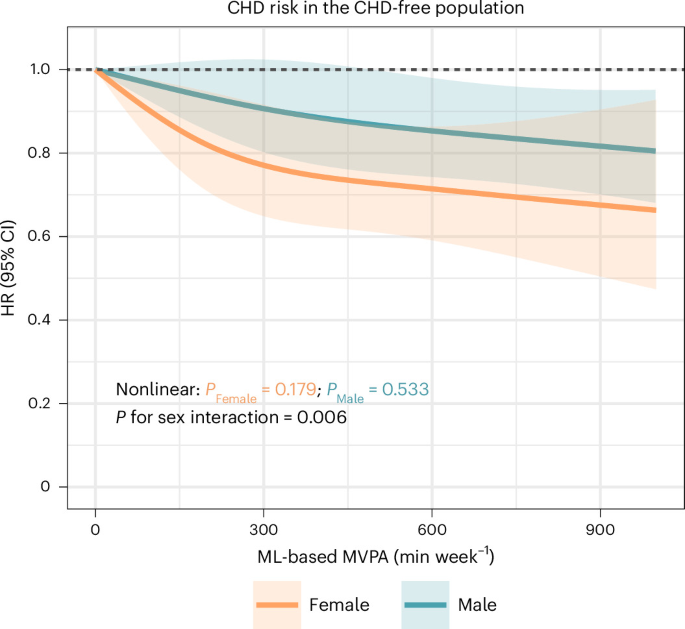
A recent scientific correspondence published in Nature Cardiovascular Research by Jiajin Chen, Zihang Zhong, and colleagues addresses ongoing discussions regarding sex differences in physical activity and coronary heart disease. Responding to comments from F.-D. Desgorces and co-authors, the researchers examine how wearable accelerometer data can help refine our understanding of how movement patterns relate to cardiovascular health. The exchange emphasizes that adopting sex-specific approaches may be crucial for optimizing future physical activity recommendations.
The original study, published by Chen and colleagues utilizing data from the UK Biobank resource (application number 134551), previously investigated wearable accelerometer-derived physical activity in relation to coronary heart disease incidence and mortality. While the correspondence highlights agreement on the importance of evaluating both movement duration and intensity, experts note that further collaborative research is required to fully determine the implications of potential sex-based differences in activity thresholds.
What to know: Ongoing investigations into wearable device data suggest that physical activity guidelines may eventually benefit from more tailored, sex-specific frameworks. As this scientific dialogue continues to evolve, readers should always consult a qualified healthcare provider for personalized medical and fitness decisions.
Source Nature Health Sciences — nature.com/articles/s44161-026-00918-z ↗
Read next
 🏥Public Health
Preventive Services Task Force Resumes Meetings Under New Leadership
The U.S. Preventive Services Task Force is set to reconvene this week for the first time in over a year following a significant membership overhaul by Health Secretary Ro…
 ❤️Conditions & Care
Blood-Based Genetic Signature May Predict CAR T-Cell Therapy Success in Lymphoma
Researchers have identified a specific RNA signature in blood plasma that may help predict how well lymphoma patients respond to CAR T-cell therapy.
 🧠AI Analysis
Ultraprocessed Diets May Impact Brain Reward Systems in Younger Adults
A Virginia Tech study suggests that individuals aged 18 to 21 may experience changes in brain reward processing after consuming ultraprocessed foods, a response not obser…
 🧠Mind & Mental Health
Addressing Body Image and the Reality of Gluteal Anatomy
A personal reflection on the social and psychological impact of body shape, specifically regarding the gluteal region, and the limitations of consumer solutions for perce…
 ❤️Conditions & Care
Migraine and Smoking Linked to Increased Early Stroke Risk in Women
A large-scale study suggests that people who have given birth and experience migraines while also smoking face a significantly higher risk of stroke before age 60.
 🔬Research
CBD Oil Found Ineffective for Managing Behavioral Issues in Youths with Intellectual Disabilities
A double-blind clinical trial published in JAMA Pediatrics indicates that CBD oil provides no significant behavioral improvement for children and teenagers with intellect…