MIT Researchers Find Gentle Sound Waves May Boost Brain's Nighttime Cleaning System
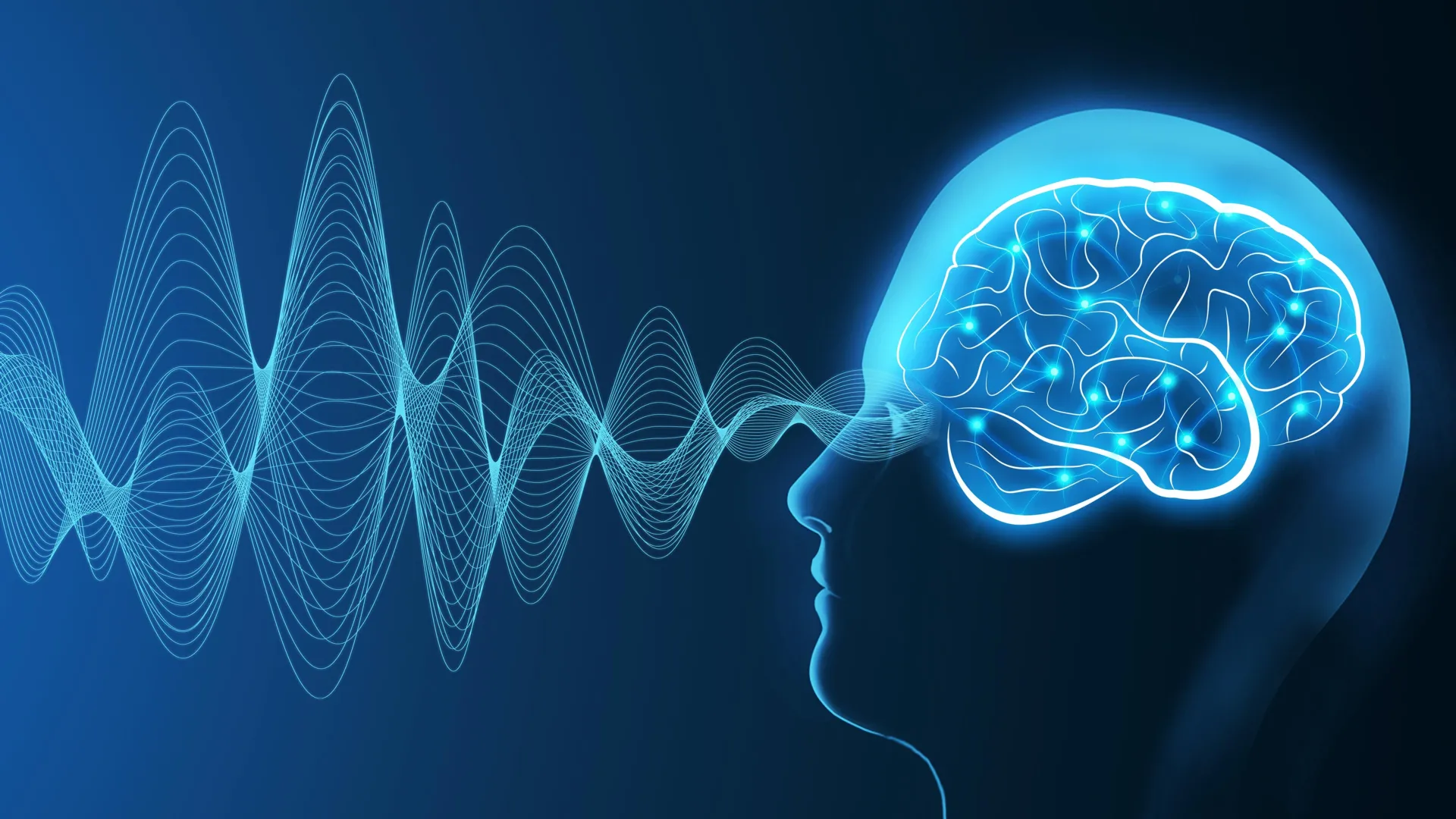
Massachusetts Institute of Technology scientists discovered that precise bursts of pink noise during sleep can amplify brain waves and increase the flow of cerebrospinal fluid, enhancing the brain's natural waste clearance.
 🏃Fitness
Photo: ScienceDaily Mind & Brain
Key points
- MIT researchers used timed pink noise during sleep to boost cerebrospinal fluid movement.
- The technique successfully increased fluid waves in a small trial of 14 healthy volunteers.
- Scientists aim to explore potential future applications for neurodegenerative conditions and brain health.
During daily activities, the brain naturally builds up cellular waste products such as lactic acid and unneeded proteins. Deep sleep provides a crucial window for clearing these substances, as rhythmic waves of cerebrospinal fluid (CSF) wash through neural tissues to maintain healthy function. A team at the Massachusetts Institute of Technology has now demonstrated that brief, carefully timed auditory pulses can make these fluid waves significantly stronger in healthy adults.
Senior author Laura Lewis and lead author Joshua Levitt published their findings in Science Translational Medicine, detailing a method that uses short 50-millisecond bursts of pink noise—a balanced sound similar to distant rainfall—delivered precisely when a sleeping participant's slow electrical brain waves peak. Just as timing pushes on a playground swing can increase its motion, synchronizing sound delivery with neural activity amplified both the electrical slow waves and the resulting volume of CSF movement.
What to know: While the study successfully demonstrated enhanced fluid flow in 14 healthy volunteers, the research remains at an early, experimental stage involving a very small sample size. Scientists are eager to study whether this technology might eventually help preserve memory or slow neurodegenerative conditions linked to protein accumulation, though it is not currently a clinical treatment.
Readers should always consult a qualified healthcare provider regarding personal health choices and neurological concerns.
Source ScienceDaily Mind & Brain — sciencedaily.com/releases/2026/11/261115085533.htm ↗
Read next
 🏥Public Health
Preventive Services Task Force Resumes Meetings Under New Leadership
The U.S. Preventive Services Task Force is set to reconvene this week for the first time in over a year following a significant membership overhaul by Health Secretary Ro…
 ❤️Conditions & Care
Blood-Based Genetic Signature May Predict CAR T-Cell Therapy Success in Lymphoma
Researchers have identified a specific RNA signature in blood plasma that may help predict how well lymphoma patients respond to CAR T-cell therapy.
 🧠AI Analysis
Ultraprocessed Diets May Impact Brain Reward Systems in Younger Adults
A Virginia Tech study suggests that individuals aged 18 to 21 may experience changes in brain reward processing after consuming ultraprocessed foods, a response not obser…
 🧠Mind & Mental Health
Addressing Body Image and the Reality of Gluteal Anatomy
A personal reflection on the social and psychological impact of body shape, specifically regarding the gluteal region, and the limitations of consumer solutions for perce…
 ❤️Conditions & Care
Migraine and Smoking Linked to Increased Early Stroke Risk in Women
A large-scale study suggests that people who have given birth and experience migraines while also smoking face a significantly higher risk of stroke before age 60.
 🔬Research
CBD Oil Found Ineffective for Managing Behavioral Issues in Youths with Intellectual Disabilities
A double-blind clinical trial published in JAMA Pediatrics indicates that CBD oil provides no significant behavioral improvement for children and teenagers with intellect…