Study Examines How Cardiometabolic Traits Impact Severe Heart Attack Outcomes
Researchers analyzing data from the SYSTEMI trial found that chronic kidney disease, elevated admission glucose, and high C-reactive protein levels are linked to in-hospital mortality in severe heart attack patients.
 ❤️Conditions & Care
Photo: Nature Health Sciences
Key points
- The SYSTEMI trial evaluated 833 patients experiencing severe ST-elevation myocardial infarction.
- Researchers found that chronic kidney disease, high admission glucose, and elevated C-reactive protein were linked to in-hospital mortality.
- Real-world registries generally feature older, more multimorbid patients than standard randomized controlled trials.
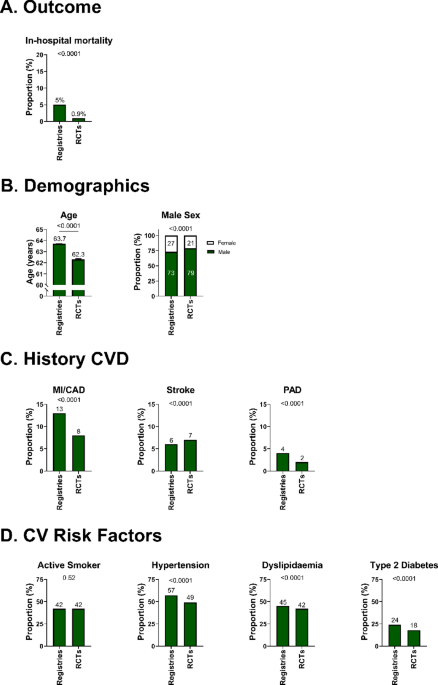
A recent study published in Nature Health Sciences highlights how specific cardiometabolic traits upon hospital admission influence outcomes for patients suffering from ST-elevation myocardial infarction (STEMI), the most severe form of acute coronary syndrome. Investigators from the SYSTEMI trial examined 833 patients—of whom 74% were male with a mean age of 64 years—to evaluate detailed metabolic, renal, and inflammatory phenotypes. The cohort exhibited a substantial burden of preexisting conditions, including 60% with arterial hypertension, 41% who smoked, and 27% with type 2 diabetes. Furthermore, about a quarter of the participants presented with cardiogenic shock or out-of-hospital cardiac arrest.
When comparing the SYSTEMI participants to data from 25 randomized controlled trials and 43 broader registries, the researchers noted that trial cohorts typically enroll younger and healthier individuals with fewer comorbidities. In contrast, the real-world SYSTEMI population closely mirrored North American and European registries regarding cardiovascular disease burden. After adjusting for multiple variables within the study group, chronic kidney disease, elevated blood glucose levels upon admission, and higher C-reactive protein markers were all associated with in-hospital mortality.
What to know: While the findings offer a clearer picture of real-world heart attack risks, the study is observational and reflects data from a specific patient group, meaning it cannot establish direct cause and effect. Patients should consult a qualified healthcare provider for personalized medical advice regarding cardiovascular risk management and heart disease concerns.
Source Nature Health Sciences — nature.com/articles/s41598-026-74274-0 ↗
Read next
 🧠Mind & Mental Health
Addressing Body Image and the Reality of Gluteal Anatomy
A personal reflection on the social and psychological impact of body shape, specifically regarding the gluteal region, and the limitations of consumer solutions for perce…
 🔬Research
CBD Oil Found Ineffective for Managing Behavioral Issues in Youths with Intellectual Disabilities
A double-blind clinical trial published in JAMA Pediatrics indicates that CBD oil provides no significant behavioral improvement for children and teenagers with intellect…
 🏃Fitness
Expert Advice on Hydration Gear Sparks Debate Among Recreational Runners
Olympic medalist Josh Kerr recently suggested that runners may not require hydration packs for distances under 12 miles, igniting a broader conversation about gear necess…
 🏃Fitness
A Structured Approach to Beginning a Strength and Cardio Routine
A new four-week training program offers beginners a guided path to incorporating strength training and cardiovascular exercise into their daily lives.
 🧠Mind & Mental Health
The Role of Daily Mobility Training in Managing Sedentary Tension
A two-week personal trial suggests that incorporating short, daily mobility exercises may help alleviate stiffness associated with sedentary desk work. Experts note that …
 🧠Mind & Mental Health
New Theoretical Framework Explores Memory Formation and Dementia
Researchers have proposed a new model suggesting the brain's limbic system functions similarly to generative AI, potentially offering a new way to understand and classify…