Low-Pressure Oxygen Plasma Shows Promise for Denture Disinfection, Study Suggests
Researchers have evaluated low-pressure non-thermal oxygen plasma as an alternative method for disinfecting polymethyl methacrylate denture bases, finding no adverse effects on dimensional stability or surface hardness when hydration is controlled.
 ❤️Conditions & Care
Photo: Nature Health Sciences
Key points
- Tested low-pressure non-thermal oxygen plasma on PMMA denture resin
- Found no negative impacts on surface hardness or dimensional stability
- Observed surface cracks when samples retained moisture prior to treatment
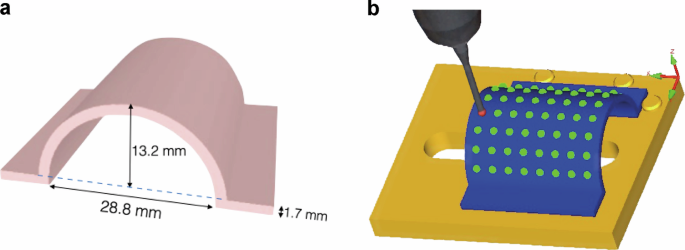
A recent study published in Nature Health Sciences explored the effects of low-pressure non-thermal oxygen plasma (O₂ NTP) on polymethyl methacrylate (PMMA) resin, the material most commonly used for denture bases. Investigators prepared heat-compression molded ProBase Hot resin samples and subjected them to one or six 120-minute O₂ NTP treatments to examine traits including dimensional stability, surface hardness, flexural strength, and elastic modulus. Researchers utilized scanning electron microscopy (SEM) and standard statistical analyses to evaluate the results.
The evaluation revealed that repeated O₂ NTP treatments caused no adverse effects on the dimensional stability or surface hardness of the PMMA resin samples. Investigators observed that flexural strength and elastic modulus remained unaltered only when the material was dehydrated under controlled dry conditions. Conversely, scanning electron microscopy images identified surface cracks on samples that still contained moisture prior to plasma exposure, indicating that the hydration state of the resin plays a crucial role during the procedure.
Standard denture cleaning methods, such as chemical solutions and microwaves, can sometimes lead to material degradation, whitening, distortion, or reduced strength over time. While O₂ NTP appears to be a promising alternative approach to safely disinfect dental prostheses, the findings suggest that strictly managing the resin's hydration state is vital to prevent microscopic surface damage. Because this is a laboratory evaluation utilizing specific resin samples, further investigations are required to understand its clinical applicability. Patients should consult their dentist or healthcare provider regarding proper denture care and cleaning routines.
What to know: Low-pressure non-thermal oxygen plasma may offer a new way to disinfect dental resins, but maintaining controlled dry conditions is necessary to avoid surface cracking.
Source Nature Health Sciences — nature.com/articles/s41405-026-00499-w ↗
Read next
 🧠Mind & Mental Health
Addressing Body Image and the Reality of Gluteal Anatomy
A personal reflection on the social and psychological impact of body shape, specifically regarding the gluteal region, and the limitations of consumer solutions for perce…
 🔬Research
CBD Oil Found Ineffective for Managing Behavioral Issues in Youths with Intellectual Disabilities
A double-blind clinical trial published in JAMA Pediatrics indicates that CBD oil provides no significant behavioral improvement for children and teenagers with intellect…
 🏃Fitness
Expert Advice on Hydration Gear Sparks Debate Among Recreational Runners
Olympic medalist Josh Kerr recently suggested that runners may not require hydration packs for distances under 12 miles, igniting a broader conversation about gear necess…
 🏃Fitness
A Structured Approach to Beginning a Strength and Cardio Routine
A new four-week training program offers beginners a guided path to incorporating strength training and cardiovascular exercise into their daily lives.
 🧠Mind & Mental Health
The Role of Daily Mobility Training in Managing Sedentary Tension
A two-week personal trial suggests that incorporating short, daily mobility exercises may help alleviate stiffness associated with sedentary desk work. Experts note that …
 🧠Mind & Mental Health
New Theoretical Framework Explores Memory Formation and Dementia
Researchers have proposed a new model suggesting the brain's limbic system functions similarly to generative AI, potentially offering a new way to understand and classify…