New Review Highlights Genetic Mechanisms and Clinical Traits of Oculopharyngodistal Myopathy
A recent medical literature review explores the genetic mechanisms and clinical hallmarks of oculopharyngodistal myopathy (OPDM), a late-onset hereditary muscle disorder.
 ❤️Conditions & Care
Photo: Nature Health Sciences
Key points
- OPDM is a hereditary muscle disorder characterized by distal, pharyngeal, and eye muscle weakness.
- Recent findings link the condition to pathogenic CGG repeat expansions in six identified genes.
- The molecular patterns share similarities with Fragile X-associated tremor/ataxia syndrome (FXTAS).
A recent overview published in Nature Health Sciences details the clinical characteristics and molecular genetics of oculopharyngodistal myopathy (OPDM), a late-onset hereditary condition marked by progressive external ophthalmoplegia alongside pharyngeal and distal muscle weakness. Six causative genes have been identified in recent years, all sharing pathogenic CGG repeat expansions in specific non-coding regions. These genetic patterns closely parallel mechanisms seen in other conditions, such as Fragile X syndrome and Fragile X-associated tremor/ataxia syndrome (FXTAS).
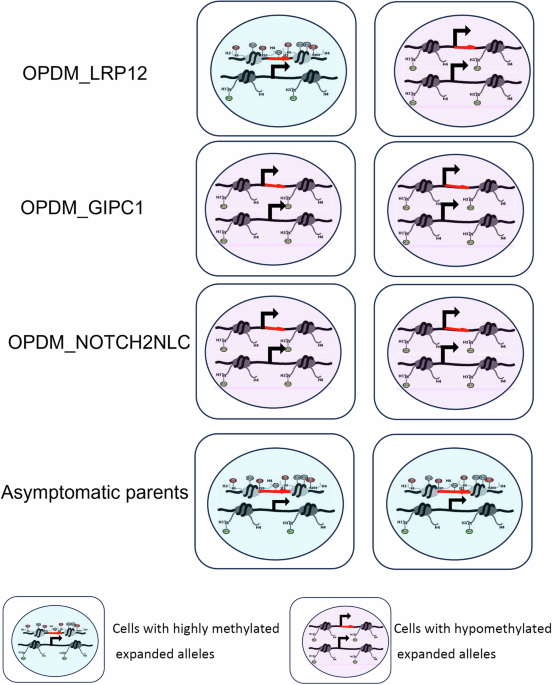
The review examines the complex variability of these repeat lengths, the modulatory effects of flanking sequences, repeat interruptions, and epigenetic modifications. It also highlights findings from Japanese patient cohorts that reveal new patterns of genetic diversity. Researchers note that while these insights advance our understanding of how repeat expansions drive disease progression, much remains to be learned about the precise pathogenic pathways involved.
What to know: OPDM is a distinct hereditary muscle disorder separate from other similar conditions like oculopharyngeal muscular dystrophy (OPMD). Because this research is in the review and observational stage, it does not alter immediate clinical care or diagnostic treatments. Patients with concerns about hereditary muscle conditions should talk to a doctor for personal guidance.
Source Nature Health Sciences — nature.com/articles/s10038-026-01528-0 ↗
Read next
 🏃Fitness
Understanding and Addressing Love Handles Through Lifestyle Changes
Experts clarify that spot reduction of fat is not physiologically possible, recommending a combination of calorie management and high-intensity interval training instead.
 🏃Fitness
Ciele Releases New Woolmark-Certified Merino Winter Running Apparel
Montreal-based brand Ciele has launched its second collection of merino wool running gear, featuring performance-focused fabrics designed for cold-weather training.
 🏥Public Health
Preventive Services Task Force Resumes Meetings Under New Leadership
The U.S. Preventive Services Task Force is set to reconvene this week for the first time in over a year following a significant membership overhaul by Health Secretary Ro…
 🧠AI Analysis
Ultraprocessed Diets May Impact Brain Reward Systems in Younger Adults
A Virginia Tech study suggests that individuals aged 18 to 21 may experience changes in brain reward processing after consuming ultraprocessed foods, a response not obser…
 🧠Mind & Mental Health
Addressing Body Image and the Reality of Gluteal Anatomy
A personal reflection on the social and psychological impact of body shape, specifically regarding the gluteal region, and the limitations of consumer solutions for perce…
 🔬Research
CBD Oil Found Ineffective for Managing Behavioral Issues in Youths with Intellectual Disabilities
A double-blind clinical trial published in JAMA Pediatrics indicates that CBD oil provides no significant behavioral improvement for children and teenagers with intellect…