Early-Life Factors and Maternal Education Linked to Childhood Obesity Risk in European Study
A cross-sectional study published in Nature Health Sciences investigates how perinatal factors and maternal education influence childhood overweight and obesity rates across six European countries.
 🧠AI Analysis
Photo: Nature Health Sciences
Key points
- Study evaluated 12,211 children across six European nations from low socioeconomic status regions.
- Maternal pre-pregnancy obesity, diabetes, and excessive gestational weight gain increased childhood obesity risk.
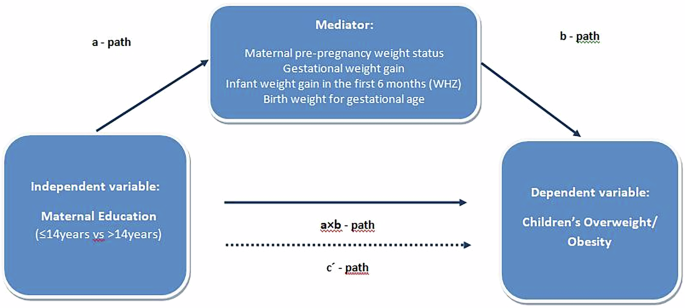
- Rapid infant weight gain and maternal pre-pregnancy weight partially mediated the link between maternal education and child weight.
Researchers examining data from the Feel4Diabetes-study evaluated how early-life factors and maternal education intersect to impact childhood overweight and obesity. The cross-sectional analysis included children aged 4 to 12 years from low socioeconomic status regions across six European countries, focusing on anthropometric measurements and questionnaires gathered during August and September 2016. Out of 12,211 total participants, 2,663 complete records were analyzed after adjusting for child age, sex, and maternal education.
The findings indicate that several perinatal conditions are closely linked to higher odds of childhood overweight and obesity. Maternal pre-pregnancy obesity yielded an odds ratio of 2.51, while pre-pregnancy diabetes showed an odds ratio of 4.92. Additionally, excessive gestational weight gain, smoking during pregnancy, and maternal overweight were significantly associated with increased risk. Conversely, children born small-for-gestational-age demonstrated lower odds, whereas those born long-for-gestational-age or experiencing rapid weight gain during their first six months faced elevated odds. The study notes that maternal pre-pregnancy weight status, rapid infant weight gain, and gestational weight gain mediated parts of the link between maternal education and childhood obesity.
Because the research is observational and relies partly on self-reported questionnaires, it establishes correlations rather than direct causation. The authors suggest that public health initiatives should focus on low-education families to improve nutrition literacy and support healthy maternal and infant growth trajectories. Readers should consult a qualified healthcare provider regarding personal medical decisions.
What to know: Early perinatal factors—including maternal weight, gestational diabetes, and infant growth patterns—play a mediating role in the connection between maternal education levels and childhood weight status.
Source Nature Health Sciences — nature.com/articles/s41366-026-02156-6 ↗
Read next
 🧠Mind & Mental Health
Addressing Body Image and the Reality of Gluteal Anatomy
A personal reflection on the social and psychological impact of body shape, specifically regarding the gluteal region, and the limitations of consumer solutions for perce…
 ❤️Conditions & Care
Migraine and Smoking Linked to Increased Early Stroke Risk in Women
A large-scale study suggests that people who have given birth and experience migraines while also smoking face a significantly higher risk of stroke before age 60.
 🔬Research
CBD Oil Found Ineffective for Managing Behavioral Issues in Youths with Intellectual Disabilities
A double-blind clinical trial published in JAMA Pediatrics indicates that CBD oil provides no significant behavioral improvement for children and teenagers with intellect…
 🏃Fitness
Expert Advice on Hydration Gear Sparks Debate Among Recreational Runners
Olympic medalist Josh Kerr recently suggested that runners may not require hydration packs for distances under 12 miles, igniting a broader conversation about gear necess…
 🏃Fitness
A Structured Approach to Beginning a Strength and Cardio Routine
A new four-week training program offers beginners a guided path to incorporating strength training and cardiovascular exercise into their daily lives.
 🧠Mind & Mental Health
The Role of Daily Mobility Training in Managing Sedentary Tension
A two-week personal trial suggests that incorporating short, daily mobility exercises may help alleviate stiffness associated with sedentary desk work. Experts note that …