Potential Innovations in Vasectomy Techniques and Male Contraception
Recent discussions in medical literature highlight potential upcoming advancements in vasectomy procedures, including injectable polymer plugs and bipolar vessel-sealing technologies aimed at improving reversibility and reducing invasiveness.
 🧠AI Analysis
Photo: Nature Health Sciences
Key points
- Vasectomy surgical techniques have seen minimal fundamental changes since the introduction of the no-scalpel method in the 1970s.
- New developments include injectable vasal-occlusive polymers aimed at offering a less invasive and potentially reversible form of male contraception.
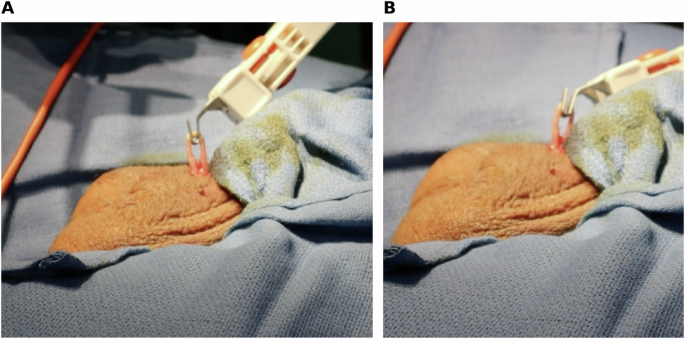
- Researchers are also investigating bipolar laparoscopic vessel sealing for potential transdermal sealed vasectomy procedures.
Medical experts note that traditional surgical approaches to vasectomy have experienced very limited technological updates over the past half-century. Following the introduction of the no-scalpel technique during the 1970s, standard methods for accessing and obstructing the vas deferens have remained largely consistent globally. However, emerging modalities currently under development across various companies aim to reshape the field of male reproductive health by prioritizing enhanced accessibility, operational efficiency, and prospective reversibility.
Emerging Modalities in Vasal Occlusion
Among the novel approaches currently being explored are vasal-occlusive polymer injections designed to act as less invasive, potentially reversible alternatives to traditional ligation. Another avenue of investigation involves applying bipolar laparoscopic vessel-sealing technology to create a sealed vasectomy procedure, which researchers suggest could eventually be performed transdermally. These innovations reflect a growing focus on diversifying male contraceptive options beyond conventional surgical interventions.
What to know: While these technological developments suggest a promising shift in reproductive medicine, they remain largely in various stages of preclinical and clinical evaluation. Readers are advised to consult a qualified healthcare provider for personal medical decisions and up-to-date guidance on available procedures.
Source Nature Health Sciences — nature.com/articles/s41443-026-01369-7 ↗
Read next
 🏃Fitness
Understanding and Addressing Love Handles Through Lifestyle Changes
Experts clarify that spot reduction of fat is not physiologically possible, recommending a combination of calorie management and high-intensity interval training instead.
 🏃Fitness
Ciele Releases New Woolmark-Certified Merino Winter Running Apparel
Montreal-based brand Ciele has launched its second collection of merino wool running gear, featuring performance-focused fabrics designed for cold-weather training.
 🏥Public Health
Preventive Services Task Force Resumes Meetings Under New Leadership
The U.S. Preventive Services Task Force is set to reconvene this week for the first time in over a year following a significant membership overhaul by Health Secretary Ro…
 ❤️Conditions & Care
Blood-Based Genetic Signature May Predict CAR T-Cell Therapy Success in Lymphoma
Researchers have identified a specific RNA signature in blood plasma that may help predict how well lymphoma patients respond to CAR T-cell therapy.
 🧠Mind & Mental Health
Addressing Body Image and the Reality of Gluteal Anatomy
A personal reflection on the social and psychological impact of body shape, specifically regarding the gluteal region, and the limitations of consumer solutions for perce…
 ❤️Conditions & Care
Migraine and Smoking Linked to Increased Early Stroke Risk in Women
A large-scale study suggests that people who have given birth and experience migraines while also smoking face a significantly higher risk of stroke before age 60.