Medicaid Work Rule Exemptions for Native Americans Face Implementation Challenges
Federal guidelines lack a standardized verification system for Native American Medicaid work requirement exemptions, raising concerns about potential coverage losses.
 🧠AI Analysis
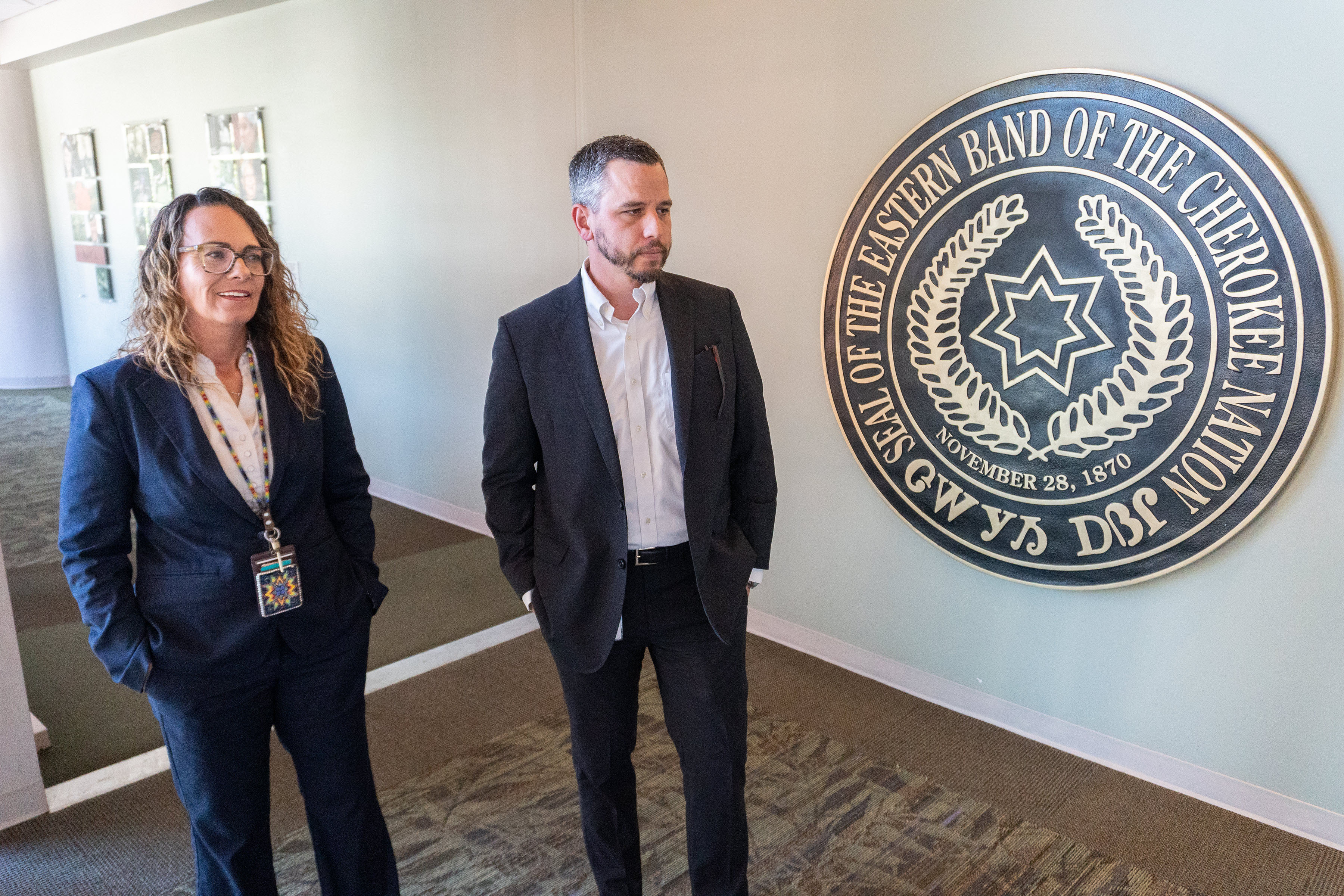
Photo: KFF Health News
Key points
- Federal rules exempt Native Americans from Medicaid work requirements but lack a standardized verification system.
- States are developing patchwork eligibility checks, raising concerns about administrative drop-offs similar to the 2023 Medicaid unwinding.
- Tribal advocates have recommended allowing self-attestation and better data-sharing to protect enrollees.
As states prepare to implement new Medicaid work requirements, federal health officials have not provided detailed instructions on how to exempt Native Americans from these rules, according to recent reports. Although the One Big Beautiful Bill Act signed by President Donald Trump exempted Native Americans from work mandates, the Centers for Medicare & Medicaid Services failed to establish a standardized verification mechanism. Consequently, states are left to develop their own eligibility verification processes, creating a fragmented approach that could jeopardize health insurance access for qualified enrollees.
Tribal leaders and health advocates warn that this lack of clear federal guidance mirrors the administrative challenges seen during the 2023 Medicaid unwinding, which resulted in approximately 850,000 Native Americans losing coverage largely due to paperwork hurdles. Furthermore, the current exemption guidelines exclude certain Indigenous populations, such as Native Hawaiians, and omit requirements for states to share eligibility data with tribes or coordinate with Native health providers.
What to know: While CMS advised states to utilize existing data before requesting additional documentation, the rule does not mandate a universal standard of proof, allowing states to potentially enforce stricter verification thresholds. Tribal advisory groups have urged federal regulators to permit self-attestation and improve data-sharing with tribal health programs to prevent erroneous disenrollments. Patients with questions regarding their coverage status should consult healthcare providers or official state Medicaid agencies.
Source KFF Health News — kffhealthnews.org/health-care-costs/medicaid-work-rule-requirement-nati… ↗
Read next
 🏥Public Health
Preventive Services Task Force Resumes Meetings Under New Leadership
The U.S. Preventive Services Task Force is set to reconvene this week for the first time in over a year following a significant membership overhaul by Health Secretary Ro…
 ❤️Conditions & Care
Blood-Based Genetic Signature May Predict CAR T-Cell Therapy Success in Lymphoma
Researchers have identified a specific RNA signature in blood plasma that may help predict how well lymphoma patients respond to CAR T-cell therapy.
 🧠Mind & Mental Health
Addressing Body Image and the Reality of Gluteal Anatomy
A personal reflection on the social and psychological impact of body shape, specifically regarding the gluteal region, and the limitations of consumer solutions for perce…
 ❤️Conditions & Care
Migraine and Smoking Linked to Increased Early Stroke Risk in Women
A large-scale study suggests that people who have given birth and experience migraines while also smoking face a significantly higher risk of stroke before age 60.
 🔬Research
CBD Oil Found Ineffective for Managing Behavioral Issues in Youths with Intellectual Disabilities
A double-blind clinical trial published in JAMA Pediatrics indicates that CBD oil provides no significant behavioral improvement for children and teenagers with intellect…
 🏃Fitness
Expert Advice on Hydration Gear Sparks Debate Among Recreational Runners
Olympic medalist Josh Kerr recently suggested that runners may not require hydration packs for distances under 12 miles, igniting a broader conversation about gear necess…