New Multimodal AI Framework Aims to Predict Alzheimer’s Treatment Side Effects
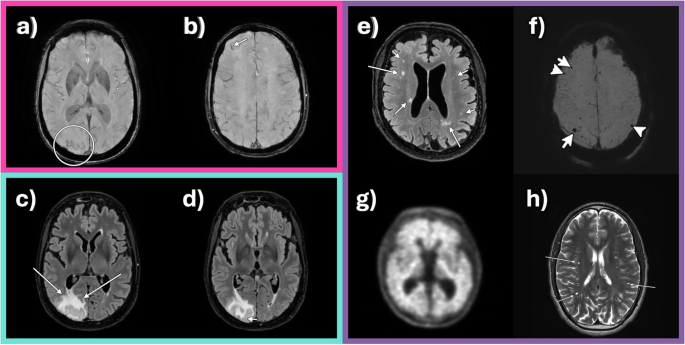
Researchers have proposed a new machine learning framework designed to predict the risk of amyloid-related imaging abnormalities (ARIA) in patients undergoing monoclonal antibody therapy for Alzheimer’s disease.
 🧠AI Analysis
Photo: Nature Health Sciences
Key points
- New AI framework aims to predict ARIA risks in Alzheimer's treatment.
- Integrates imaging, genetic, and clinical data for personalized risk assessment.
- Designed to improve safety monitoring for monoclonal antibody therapies.
A new predictive modeling framework has been proposed to help clinicians assess the risk of amyloid-related imaging abnormalities (ARIA) in patients receiving monoclonal antibody therapies for Alzheimer’s disease. These therapies, which target amyloid-beta proteins, have shown efficacy in slowing disease progression but carry significant safety risks, including brain swelling (ARIA-E) and microhemorrhages (ARIA-H). Currently, clinicians rely on limited metrics such as genetic markers and manual MRI reviews to gauge patient safety, which can suffer from variability and lack standardized quantification.
The proposed system integrates multimodal data, including imaging, clinical records, and genetic profiles, using foundation model architectures. By synthesizing these diverse data points, the framework aims to provide individualized risk scores and severity grading. This approach seeks to move beyond existing methods that focus on a narrow set of factors, allowing for more personalized monitoring schedules and better-informed treatment decisions for patients with early-stage Alzheimer’s.
What to know: ARIA is a known side effect of amyloid-targeting Alzheimer’s treatments, often occurring within the first six months of therapy. Patients should consult with their neurologists to discuss individual risk factors, including genetic status and pre-existing vascular health, before starting these treatments.
While the framework offers a potential advancement in risk stratification, its clinical utility depends on successful validation in diverse, real-world hospital settings. As the Alzheimer’s Association reports millions of Americans currently living with the disease, tools that can accurately predict and mitigate adverse events are essential for the safe implementation of emerging therapies.
Source Nature Health Sciences — nature.com/articles/s44400-026-00138-z ↗
Read next
 🧠Mind & Mental Health
Addressing Body Image and the Reality of Gluteal Anatomy
A personal reflection on the social and psychological impact of body shape, specifically regarding the gluteal region, and the limitations of consumer solutions for perce…
 ❤️Conditions & Care
Migraine and Smoking Linked to Increased Early Stroke Risk in Women
A large-scale study suggests that people who have given birth and experience migraines while also smoking face a significantly higher risk of stroke before age 60.
 🔬Research
CBD Oil Found Ineffective for Managing Behavioral Issues in Youths with Intellectual Disabilities
A double-blind clinical trial published in JAMA Pediatrics indicates that CBD oil provides no significant behavioral improvement for children and teenagers with intellect…
 🏃Fitness
Expert Advice on Hydration Gear Sparks Debate Among Recreational Runners
Olympic medalist Josh Kerr recently suggested that runners may not require hydration packs for distances under 12 miles, igniting a broader conversation about gear necess…
 🏃Fitness
A Structured Approach to Beginning a Strength and Cardio Routine
A new four-week training program offers beginners a guided path to incorporating strength training and cardiovascular exercise into their daily lives.
 🧠Mind & Mental Health
The Role of Daily Mobility Training in Managing Sedentary Tension
A two-week personal trial suggests that incorporating short, daily mobility exercises may help alleviate stiffness associated with sedentary desk work. Experts note that …