New Surveillance Study in Indonesia Highlights Viral Pathogens Among Populations with Animal Contact
A study conducted in North Sulawesi, Indonesia, investigated viral pathogens among patients with respiratory illnesses or fevers of unknown origin who had contact with animals. Researchers found that nearly 30 percent of the participants tested positive for at least one targeted viral family.
 🧠AI Analysis
Photo: Nature Health Sciences
Key points
- 217 patients with respiratory illness or fever were enrolled in North Sulawesi, Indonesia.
- 29 percent of participants tested positive for at least one targeted viral family.
- Pathogens identified included influenza, flaviviruses, pneumoviruses, enteroviruses, paramyxoviruses, and coronaviruses.
Researchers investigating the human-animal interface in North Sulawesi, Indonesia, examined viral pathogens among patients exhibiting respiratory symptoms or unexplained fevers. Conducted between November 2017 and December 2018 at a local hospital and a primary health center, the study enrolled 217 syndromic patients. Biological specimens were collected and screened using consensus PCR and sequencing across nine viral families and genera known for pandemic potential or endemic significance.
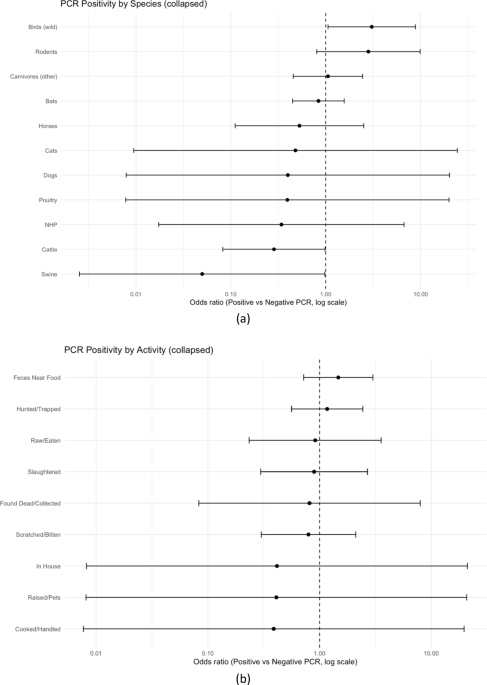
Out of the total participants, 63 individuals, or 29 percent, tested positive for at least one of the screened viral groups. The findings identified influenza viruses in 9.6 percent of patients, flaviviruses in 6.9 percent, pneumoviruses in 6.4 percent, enteroviruses in 4.6 percent, paramyxoviruses in 0.9 percent, and coronaviruses in 0.5 percent. Additional questionnaires revealed that a notable portion of those with positive viral detections reported handling rodents and bats, often during the preparation or cooking of wild meat.
The authors note that the surveillance provides a framework for integrating pathogen screening with behavioral assessments in clinical settings. However, the study reflects localized data from a specific region and timeframe, underscoring the need for broader investigations into how human-wildlife interactions influence viral transmission.
What to know: The research identified various circulating viruses in patients with animal contact backgrounds in Indonesia. Anyone with health concerns should consult a qualified medical professional for personal guidance.
Source Nature Health Sciences — nature.com/articles/s41598-026-61999-1 ↗
Read next
 🏥Public Health
Preventive Services Task Force Resumes Meetings Under New Leadership
The U.S. Preventive Services Task Force is set to reconvene this week for the first time in over a year following a significant membership overhaul by Health Secretary Ro…
 ❤️Conditions & Care
Blood-Based Genetic Signature May Predict CAR T-Cell Therapy Success in Lymphoma
Researchers have identified a specific RNA signature in blood plasma that may help predict how well lymphoma patients respond to CAR T-cell therapy.
 🧠Mind & Mental Health
Addressing Body Image and the Reality of Gluteal Anatomy
A personal reflection on the social and psychological impact of body shape, specifically regarding the gluteal region, and the limitations of consumer solutions for perce…
 ❤️Conditions & Care
Migraine and Smoking Linked to Increased Early Stroke Risk in Women
A large-scale study suggests that people who have given birth and experience migraines while also smoking face a significantly higher risk of stroke before age 60.
 🔬Research
CBD Oil Found Ineffective for Managing Behavioral Issues in Youths with Intellectual Disabilities
A double-blind clinical trial published in JAMA Pediatrics indicates that CBD oil provides no significant behavioral improvement for children and teenagers with intellect…
 🏃Fitness
Expert Advice on Hydration Gear Sparks Debate Among Recreational Runners
Olympic medalist Josh Kerr recently suggested that runners may not require hydration packs for distances under 12 miles, igniting a broader conversation about gear necess…