Intramuscular Naloxone May Match IV Delivery for Methadone Overdose with Fewer Withdrawal Symptoms
A clinical trial comparing naloxone administration routes found intramuscular delivery equally effective at restoring breathing while causing less severe withdrawal than intravenous treatment.
 🧠AI Analysis
Photo: Nature Health Sciences
Key points
- A clinical trial of 160 patients in Iran evaluated intramuscular versus intravenous naloxone for methadone overdose.
- Both administration methods demonstrated similar rates of recovery for breathing and consciousness.
- Intramuscular delivery was linked to less severe withdrawal symptoms and lower four-hour heart rates.
A randomized clinical trial involving 160 hospitalized patients in Tehran, Iran, suggests that intramuscular naloxone may reverse methadone overdoses as effectively as intravenous administration while triggering less severe opioid withdrawal symptoms. The study, published in Nature Health Sciences, evaluated adult patients aged 19 to 59 with suspected methadone toxicity to compare the two drug delivery routes following initial stabilization.
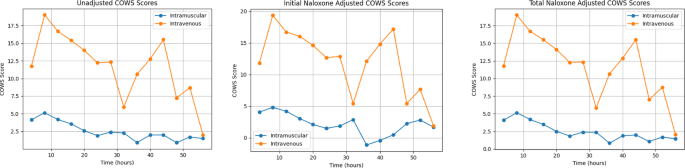
Researchers observed that both delivery methods achieved comparable rates of recovery in respiratory rate and consciousness level, with 50.8% of patients in the intramuscular group and 49.2% in the intravenous group showing normalization. However, patients who received intravenous naloxone recorded significantly higher Clinical Opiate Withdrawal Scale scores, indicating more severe acute withdrawal. Additionally, the intramuscular group maintained a lower median heart rate of 76 beats per minute at four hours post-treatment compared to 98 beats per minute in the intravenous group. Apnea occurred in 25% of intramuscular cases and 22.5% of intravenous cases, with each instance successfully treated using a single rescue dose.
What to know: Intramuscular naloxone may represent a reasonable alternative in medical settings where establishing intravenous access is difficult or delayed. However, the trial authors noted several limitations, including the single-center setting, potential variability in dosing, unverified co-ingested substances, and a lack of confirmatory toxicological screening. Patients and caregivers should consult medical professionals for personal advice and treatment planning regarding opioid use disorders.
Source Nature Health Sciences — nature.com/articles/s41598-026-64972-0 ↗
Read next
 🏥Public Health
Preventive Services Task Force Resumes Meetings Under New Leadership
The U.S. Preventive Services Task Force is set to reconvene this week for the first time in over a year following a significant membership overhaul by Health Secretary Ro…
 ❤️Conditions & Care
Blood-Based Genetic Signature May Predict CAR T-Cell Therapy Success in Lymphoma
Researchers have identified a specific RNA signature in blood plasma that may help predict how well lymphoma patients respond to CAR T-cell therapy.
 🧠Mind & Mental Health
Addressing Body Image and the Reality of Gluteal Anatomy
A personal reflection on the social and psychological impact of body shape, specifically regarding the gluteal region, and the limitations of consumer solutions for perce…
 ❤️Conditions & Care
Migraine and Smoking Linked to Increased Early Stroke Risk in Women
A large-scale study suggests that people who have given birth and experience migraines while also smoking face a significantly higher risk of stroke before age 60.
 🔬Research
CBD Oil Found Ineffective for Managing Behavioral Issues in Youths with Intellectual Disabilities
A double-blind clinical trial published in JAMA Pediatrics indicates that CBD oil provides no significant behavioral improvement for children and teenagers with intellect…
 🏃Fitness
Expert Advice on Hydration Gear Sparks Debate Among Recreational Runners
Olympic medalist Josh Kerr recently suggested that runners may not require hydration packs for distances under 12 miles, igniting a broader conversation about gear necess…