Deep Learning Models Outperform Traditional Methods in Predicting Under-Five Mortality Risk
Researchers analyzing data from over 13,000 children in Bangladesh found that advanced machine learning and deep learning models, particularly DeepHit, significantly improve predictions of under-five mortality compared to conventional statistical tools.
 🧠AI Analysis
Photo: Nature Health Sciences
Key points
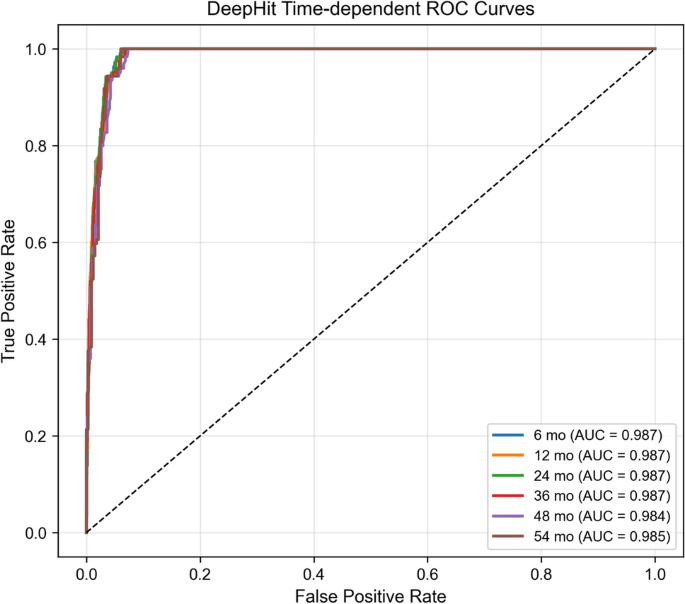
- DeepHit achieved superior joint performance with a C-index of 0.977 and near-ideal calibration.
- Maternal reproductive history emerged as a stronger mortality predictor than socioeconomic status.
- Models successfully generalized to an independent cohort from Nepal without retraining.
A new study published in Nature Health Sciences evaluated eight different survival models to predict under-five mortality risks in Bangladesh, where rates currently stand at 36.6 deaths per 1,000 live births. Researchers utilized data from 13,119 children recorded in the 2022 Bangladesh Demographic and Health Survey to compare traditional Cox proportional hazards models, ensemble methods, and deep learning architectures.
Following a two-stage feature selection process that identified 15 key predictors, the deep learning model known as DeepHit achieved the most balanced performance. It recorded a concordance index of 0.977 and maintained strong calibration across three follow-up years. Random Survival Forest led slightly in discrimination with a 0.978 index but suffered from inflated calibration slopes, while traditional Cox-family models showed severe miscalibration despite acceptable discrimination.
The analysis revealed that maternal reproductive history indicators—such as the number of living children, total children ever born, and antenatal care intensity—carried the strongest mortality signals, overshadowing purely socioeconomic factors. The predictive models also successfully generalized when externally validated on an independent cohort from Nepal without requiring model retraining.
What to know: While these findings highlight the potential of artificial intelligence in public health planning and risk stratification, observational models and retrospective data carry inherent limitations. Healthcare policies and personal medical decisions should always be made in consultation with qualified professionals.
Source Nature Health Sciences — nature.com/articles/s41598-026-80198-6 ↗
Read next
 🏥Public Health
Preventive Services Task Force Resumes Meetings Under New Leadership
The U.S. Preventive Services Task Force is set to reconvene this week for the first time in over a year following a significant membership overhaul by Health Secretary Ro…
 ❤️Conditions & Care
Blood-Based Genetic Signature May Predict CAR T-Cell Therapy Success in Lymphoma
Researchers have identified a specific RNA signature in blood plasma that may help predict how well lymphoma patients respond to CAR T-cell therapy.
 🧠Mind & Mental Health
Addressing Body Image and the Reality of Gluteal Anatomy
A personal reflection on the social and psychological impact of body shape, specifically regarding the gluteal region, and the limitations of consumer solutions for perce…
 ❤️Conditions & Care
Migraine and Smoking Linked to Increased Early Stroke Risk in Women
A large-scale study suggests that people who have given birth and experience migraines while also smoking face a significantly higher risk of stroke before age 60.
 🔬Research
CBD Oil Found Ineffective for Managing Behavioral Issues in Youths with Intellectual Disabilities
A double-blind clinical trial published in JAMA Pediatrics indicates that CBD oil provides no significant behavioral improvement for children and teenagers with intellect…
 🏃Fitness
Expert Advice on Hydration Gear Sparks Debate Among Recreational Runners
Olympic medalist Josh Kerr recently suggested that runners may not require hydration packs for distances under 12 miles, igniting a broader conversation about gear necess…