Proposed EU Medical Device Reforms Target Regulatory Hurdles, but Leave AI Challenges Open
The European Commission's proposed amendments to the Medical Device Regulation aim to cut administrative hurdles, though experts note specific challenges for artificial intelligence devices remain unaddressed.
 🧠AI Analysis
Photo: Nature Health Sciences
Key points
- European Commission introduced the MDR 2.0 proposal in December 2025.
- Reforms aim to reduce documentation and regulatory overlaps.
- Challenges for artificial intelligence-enabled medical devices persist.
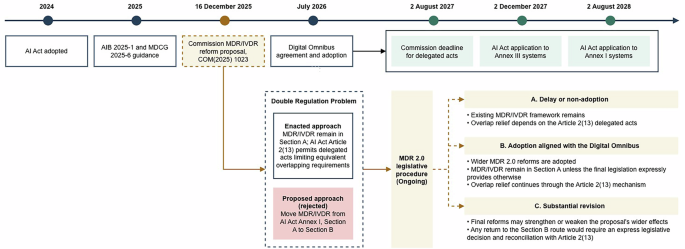
In December 2025, the European Commission introduced a targeted legislative package often called the MDR 2.0 proposal, designed to address mounting criticisms of the European Medical Device Regulation and the In Vitro Diagnostic Medical Devices Regulation. Critics have long argued that excessive documentation burdens, high costs, and regulatory overlaps with the Artificial Intelligence Act have slowed innovation, delayed product launches, and restricted patient access to novel medical technologies across the European Union.
Targeted Revisions and Regulatory Overlaps
The reform package attempts to ease administrative hurdles and eliminate double regulation between medical device laws and the AI Act. Previously, manufacturers of high-risk artificial intelligence-enabled medical devices faced cumulative compliance paths under multiple legal frameworks, stretching review times by independent notified bodies. While the new proposals seek to streamline these pathways, multidisciplinary experts note that compliance obligations across multiple regimes still present significant operational hurdles for developers.
“The reforms aim to eliminate double regulation and reduce documentation requirements, but specific challenges for innovative artificial intelligence-enabled medical devices remain unresolved.”
What to know: The ongoing legislative process incorporates recent evaluations from the European Parliament, reflecting the dynamic nature of health policy in this sector. Readers should consult qualified professionals or official regulatory guidelines regarding specific compliance or medical technology decisions.
- Proposals target overlapping rules between the Medical Device Regulation and the AI Act.
- Previous frameworks contributed to delayed product launches and reduced competitiveness in the EU.
- Experts stress that evidence requirements and patient protection standards must remain strict during regulatory adjustments.
Source Nature Health Sciences — nature.com/articles/s41746-026-03475-8 ↗
Read next
 🏥Public Health
Preventive Services Task Force Resumes Meetings Under New Leadership
The U.S. Preventive Services Task Force is set to reconvene this week for the first time in over a year following a significant membership overhaul by Health Secretary Ro…
 ❤️Conditions & Care
Blood-Based Genetic Signature May Predict CAR T-Cell Therapy Success in Lymphoma
Researchers have identified a specific RNA signature in blood plasma that may help predict how well lymphoma patients respond to CAR T-cell therapy.
 🧠Mind & Mental Health
Addressing Body Image and the Reality of Gluteal Anatomy
A personal reflection on the social and psychological impact of body shape, specifically regarding the gluteal region, and the limitations of consumer solutions for perce…
 ❤️Conditions & Care
Migraine and Smoking Linked to Increased Early Stroke Risk in Women
A large-scale study suggests that people who have given birth and experience migraines while also smoking face a significantly higher risk of stroke before age 60.
 🔬Research
CBD Oil Found Ineffective for Managing Behavioral Issues in Youths with Intellectual Disabilities
A double-blind clinical trial published in JAMA Pediatrics indicates that CBD oil provides no significant behavioral improvement for children and teenagers with intellect…
 🏃Fitness
Expert Advice on Hydration Gear Sparks Debate Among Recreational Runners
Olympic medalist Josh Kerr recently suggested that runners may not require hydration packs for distances under 12 miles, igniting a broader conversation about gear necess…