New Clinical Nomogram Developed to Predict Sarcopenia Risk in Elderly Heart Failure Patients
Researchers in China have developed and validated a predictive nomogram to identify sarcopenia risk among elderly patients with chronic heart failure.
 🧠AI Analysis
Photo: Nature Health Sciences
Key points
- Cross-sectional study evaluated 317 elderly chronic heart failure patients in China.
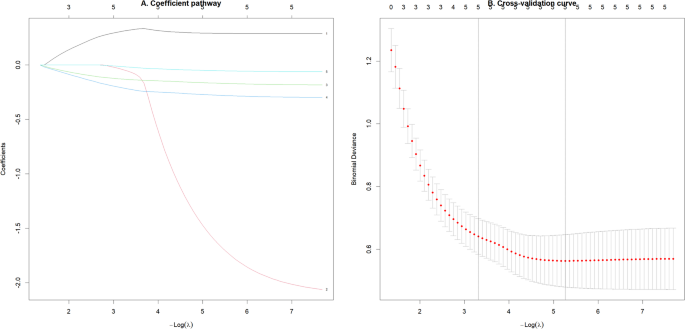
- Identified five independent risk factors: fatigue, physical activity, calf circumference, BMI, and grip strength.
- Developed a validated predictive nomogram with an area under the curve of 0.951 in the validation cohort.
Researchers at a tertiary hospital in Shanxi, China, have created and validated a clinical nomogram designed to predict the risk of sarcopenia in elderly patients suffering from chronic heart failure (CHF). Published in Nature Health Sciences, the cross-sectional study evaluated 317 elderly CHF participants between July 2023 and June 2024. The study cohort was randomly divided into a derivation group of 221 patients and an internal validation group of 96 patients. The primary goal was to pinpoint independent risk factors for muscle mass and strength loss and build an accessible tool for early clinical evaluation.
The investigation identified five independent risk factors linked to sarcopenia in this patient population: fatigue, physical activity level, calf circumference, body mass index (BMI), and grip strength. The resulting predictive model demonstrated strong performance, yielding a C-index of 0.951. The area under the ROC curve reached 0.955 in the derivation cohort and 0.951 in the validation cohort, while decision curve analysis highlighted the model's practical clinical utility. Furthermore, sensitivity analyses confirmed the tool's robustness when applying different variable compositions and updated diagnostic frameworks, such as the AWGS 2025 criteria.
As an observational study with a relatively modest sample size from a single medical center, the findings represent an early-stage tool that requires broader, multi-center external validation before routine clinical adoption. Chronic heart failure frequently coexists with age-related muscle wasting, which significantly impairs patient prognosis and quality of life. Although no specific pharmacological treatments currently exist for sarcopenia, early identification remains vital since the condition may be partially reversible through timely lifestyle and supportive interventions.
What to know: Five key indicators—fatigue, physical activity, calf circumference, BMI, and grip strength—help estimate sarcopenia risk in older adults with chronic heart failure. Always talk to a doctor regarding personal medical conditions and management decisions.
Source Nature Health Sciences — nature.com/articles/s41598-026-64888-9 ↗
Read next
 🧠Mind & Mental Health
Addressing Body Image and the Reality of Gluteal Anatomy
A personal reflection on the social and psychological impact of body shape, specifically regarding the gluteal region, and the limitations of consumer solutions for perce…
 ❤️Conditions & Care
Migraine and Smoking Linked to Increased Early Stroke Risk in Women
A large-scale study suggests that people who have given birth and experience migraines while also smoking face a significantly higher risk of stroke before age 60.
 🔬Research
CBD Oil Found Ineffective for Managing Behavioral Issues in Youths with Intellectual Disabilities
A double-blind clinical trial published in JAMA Pediatrics indicates that CBD oil provides no significant behavioral improvement for children and teenagers with intellect…
 🏃Fitness
Expert Advice on Hydration Gear Sparks Debate Among Recreational Runners
Olympic medalist Josh Kerr recently suggested that runners may not require hydration packs for distances under 12 miles, igniting a broader conversation about gear necess…
 🏃Fitness
A Structured Approach to Beginning a Strength and Cardio Routine
A new four-week training program offers beginners a guided path to incorporating strength training and cardiovascular exercise into their daily lives.
 🧠Mind & Mental Health
The Role of Daily Mobility Training in Managing Sedentary Tension
A two-week personal trial suggests that incorporating short, daily mobility exercises may help alleviate stiffness associated with sedentary desk work. Experts note that …