Rethinking Psychotherapy Research for Resource-Limited Regions
A new perspective paper suggests shifting mental health studies from traditional randomized trials to practice-based evidence models, particularly in low- and middle-income regions.
 🧠AI Analysis
Photo: Nature Health Sciences
Key points
- Traditional randomized trials face hurdles in psychotherapy research due to blinding and standardization challenges.
- Low- and middle-income contexts require research models focused on immediate, practical benefits.
- A shift toward practice-based evidence aims to improve both individual care and systemic learning.
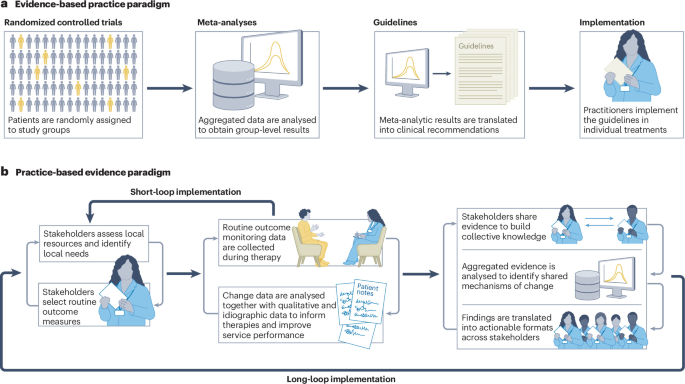
A recent perspective published in Nature Health Sciences argues that conventional clinical science models, which heavily rely on randomized controlled trials to establish causality, face fundamental limitations when applied to psychotherapy. Because psychotherapy studies struggle to meet basic methodological standards like effective blinding, researchers suggest that the dominant evidence-based practice paradigm may not adequately serve diverse populations in resource-constrained environments.
The authors propose a radical transition toward a practice-based evidence paradigm. In low- and middle-income contexts—where healthcare systems frequently manage constrained budgets, mixed populations, and urgent local demands—the central research focus must shift. Instead of prioritizing average treatment outcomes across standardized groups, investigators should evaluate whether available therapies deliver immediate, meaningful benefits to clients in real-world settings and explore how to continually refine daily clinical services.
What to know: The publication highlights concrete recommendations for implementing practice-oriented research, ranging from immediate improvements in individual clinical services to long-term strategies at national research levels. Readers should consult qualified healthcare professionals for guidance concerning personal medical and mental health care decisions.
Source Nature Health Sciences — nature.com/articles/s44159-026-00630-6 ↗
Read next
 🏥Public Health
Preventive Services Task Force Resumes Meetings Under New Leadership
The U.S. Preventive Services Task Force is set to reconvene this week for the first time in over a year following a significant membership overhaul by Health Secretary Ro…
 ❤️Conditions & Care
Blood-Based Genetic Signature May Predict CAR T-Cell Therapy Success in Lymphoma
Researchers have identified a specific RNA signature in blood plasma that may help predict how well lymphoma patients respond to CAR T-cell therapy.
 🧠Mind & Mental Health
Addressing Body Image and the Reality of Gluteal Anatomy
A personal reflection on the social and psychological impact of body shape, specifically regarding the gluteal region, and the limitations of consumer solutions for perce…
 ❤️Conditions & Care
Migraine and Smoking Linked to Increased Early Stroke Risk in Women
A large-scale study suggests that people who have given birth and experience migraines while also smoking face a significantly higher risk of stroke before age 60.
 🔬Research
CBD Oil Found Ineffective for Managing Behavioral Issues in Youths with Intellectual Disabilities
A double-blind clinical trial published in JAMA Pediatrics indicates that CBD oil provides no significant behavioral improvement for children and teenagers with intellect…
 🏃Fitness
Expert Advice on Hydration Gear Sparks Debate Among Recreational Runners
Olympic medalist Josh Kerr recently suggested that runners may not require hydration packs for distances under 12 miles, igniting a broader conversation about gear necess…