Mathematical Model Suggests Vitamin C May Inhibit Digestive Formation of Cancer-Linked Compounds
A new study from the University of Waterloo uses mathematical modeling to examine how vitamin C may block harmful chemical reactions linked to nitrates and nitrites in the digestive system.
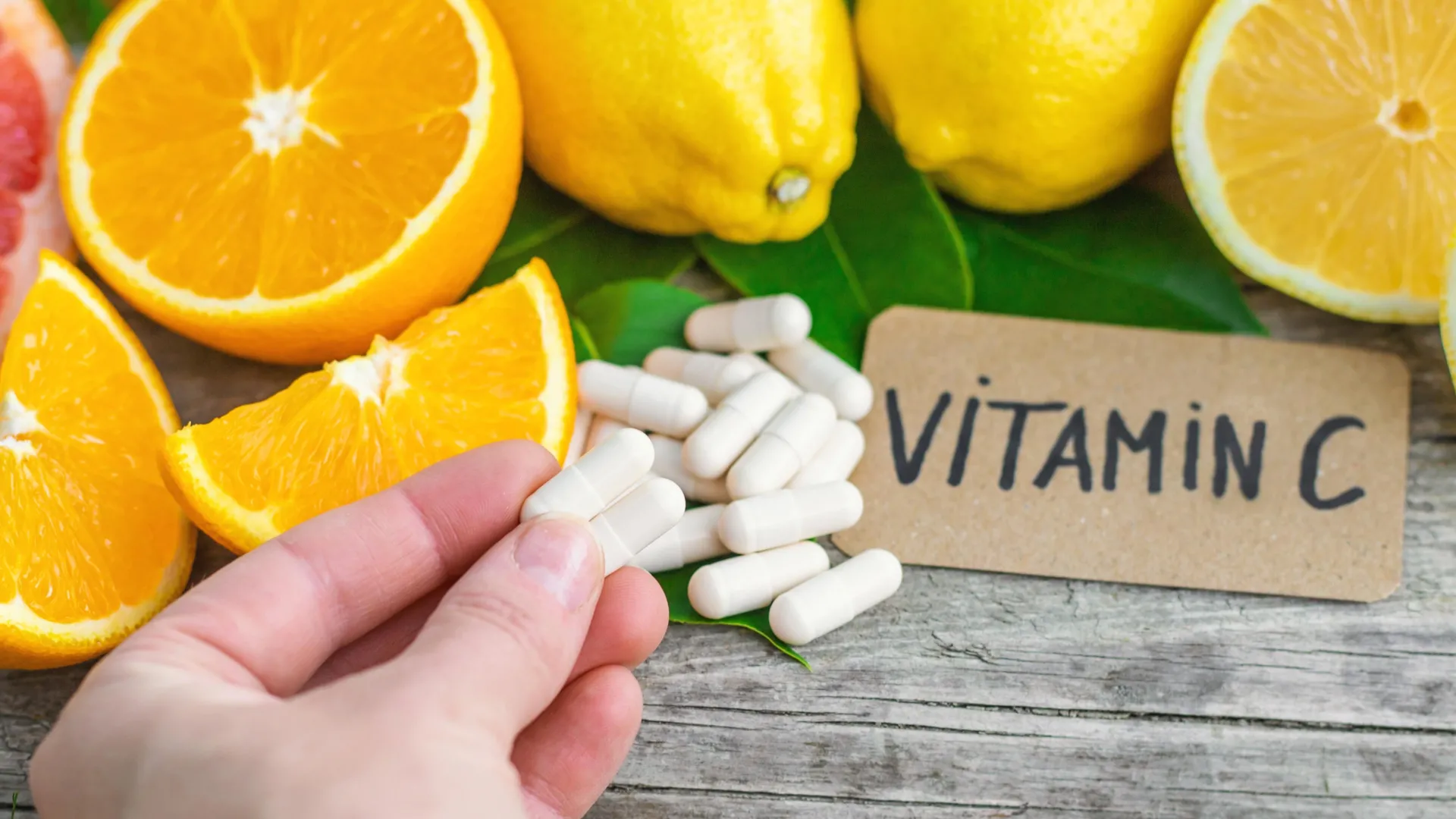 🧠AI Analysis
Photo: ScienceDaily Nutrition
Key points
- University of Waterloo researchers modeled digestive chemistry using computer simulations.
- Vitamin C may disrupt nitrosation reactions triggered by nitrates and nitrites.
- Findings are theoretical; human clinical trials are necessary to confirm actual cancer risk reduction.
Researchers at the University of Waterloo have investigated how dietary vitamin C influences chemical processes in the stomach that produce potentially cancer-causing substances. The study, published in the Journal of Theoretical Biology, utilized a mathematical model to simulate how nitrates and nitrites, found in cured meats and certain vegetables, move through the body.
Exposure to nitrates and nitrites has grown across North American diets over recent decades. While these compounds play beneficial roles in cardiovascular and brain function, they can undergo nitrosation in the stomach, generating suspect substances linked to cancer risk. According to the team's simulations, consuming vitamin C alongside these compounds, or taking a supplement after meals, may interfere with these reactions and moderately reduce the creation of harmful byproducts.
Study co-author Dr. Gordon McNicol noted that the presence of vitamin C might help clarify conflicting results from previous decades of research into dietary nitrates. However, these findings stem entirely from computer modeling rather than human clinical trials. Experts emphasize that further investigation is required to confirm whether these simulated chemical reductions translate to a measurable decrease in actual cancer risk.
What to know: The simulation suggests vitamin C can interrupt digestive nitrosation, but human trials are still needed. Always consult a healthcare professional before making major changes to your supplement routine or diet.
Key Takeaway: Mathematical modeling indicates vitamin C may block harmful chemical reactions involving dietary nitrates, though clinical validation is pending.
Source ScienceDaily Nutrition — sciencedaily.com/releases/2026/11/261114202236.htm ↗
Read next
 🔬Research
JAK Inhibitor Shows Potential in Managing Immune Dysregulation in Down Syndrome
A phase 2 clinical trial indicates that the medication tofacitinib can safely reduce chronic immune overactivity in individuals with Down syndrome, leading to improvement…
 🏃Fitness
Understanding and Addressing Love Handles Through Lifestyle Changes
Experts clarify that spot reduction of fat is not physiologically possible, recommending a combination of calorie management and high-intensity interval training instead.
 🏃Fitness
Ciele Releases New Woolmark-Certified Merino Winter Running Apparel
Montreal-based brand Ciele has launched its second collection of merino wool running gear, featuring performance-focused fabrics designed for cold-weather training.
 🏥Public Health
Preventive Services Task Force Resumes Meetings Under New Leadership
The U.S. Preventive Services Task Force is set to reconvene this week for the first time in over a year following a significant membership overhaul by Health Secretary Ro…
 ❤️Conditions & Care
Blood-Based Genetic Signature May Predict CAR T-Cell Therapy Success in Lymphoma
Researchers have identified a specific RNA signature in blood plasma that may help predict how well lymphoma patients respond to CAR T-cell therapy.
 🧠Mind & Mental Health
Addressing Body Image and the Reality of Gluteal Anatomy
A personal reflection on the social and psychological impact of body shape, specifically regarding the gluteal region, and the limitations of consumer solutions for perce…